
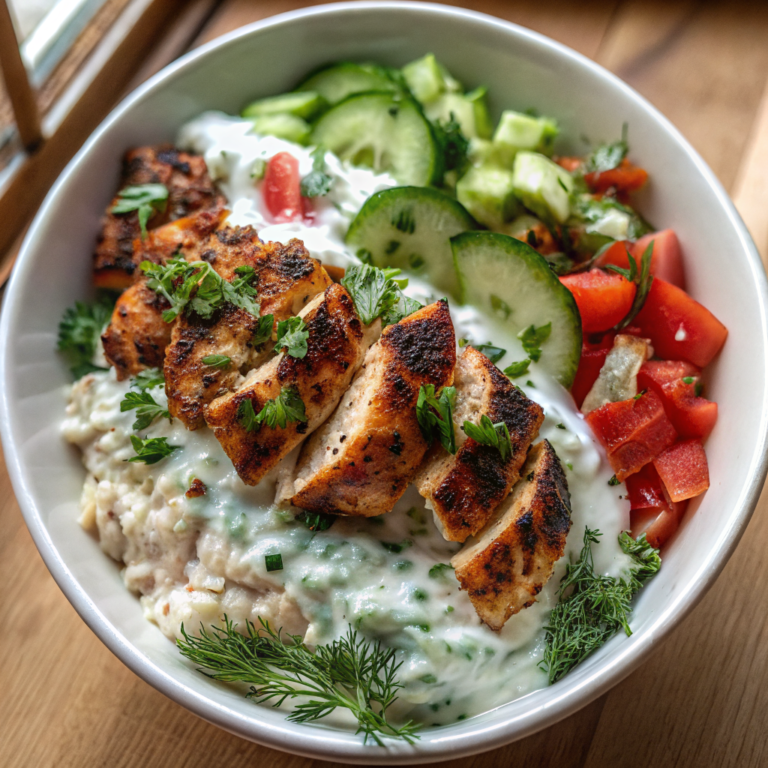
Did you know that 83% of diners say visual presentation significantly impacts their perception of a meal’s taste before they even take the first bite? This fascinating insight into food psychology underscores why mastering the art of presenting your Chicken Tzatziki Bowls can transform an ordinary weeknight dinner into a restaurant-quality experience. As someone who lives and breathes the intersection of flavor and visual storytelling, I’m thrilled to guide you through creating these stunning Mediterranean-inspired bowls that don’t just taste incredible – they’re absolute showstoppers on the plate. You’ll discover not only how to craft the perfect balance of textures and flavors, but also learn professional plating techniques, color theory applications, and styling secrets that will make your Chicken Tzatziki Bowls worthy of any food magazine cover. Get ready to elevate your culinary presentation game with this comprehensive guide to creating visually stunning, Instagram-ready bowls that celebrate the vibrant beauty of Mediterranean cuisine.
Why Chicken Tzatziki Bowls Matter
The visual appeal of Chicken Tzatziki Bowls lies in their natural ability to showcase the Mediterranean color palette – the pristine white of creamy tzatziki against golden-brown grilled chicken, punctuated by ruby-red tomatoes and emerald herbs. This dish exemplifies how thoughtful ingredient placement can create stunning visual contrast while delivering exceptional nutritional value. When you master the presentation of these bowls, you’re not just serving dinner; you’re creating an experience that engages all the senses before the first bite. For more inspiration on Mediterranean flavors, explore our Traditional Greek Salad, and if you’re looking to expand your chicken repertoire, don’t miss our Garlic Butter Chicken and Potatoes. Research from the International Journal of Gastronomy shows that well-presented meals can increase perceived flavor intensity by up to 25%, making visual presentation a crucial element in culinary success. Additionally, studies on grilling techniques and the nutritional benefits of Greek yogurt further support the importance of both technique and ingredient quality in creating exceptional dishes.
Ingredients
|
Ingredient Spotlight
Each component in these Chicken Tzatziki Bowls serves a specific visual purpose beyond flavor. The Greek yogurt acts as our canvas – its pristine white color provides the perfect backdrop for colorful garnishes while its creamy texture adds luxurious visual appeal. The cucumber brings essential textural contrast and fresh green color that prevents the bowl from appearing monotone. Fresh dill is our star garnish, with its delicate, feathery fronds creating beautiful organic shapes that soften the geometric lines of diced ingredients. The chicken breast provides our protein centerpiece and, when properly grilled, offers gorgeous golden-brown char marks that add visual depth. Tomatoes serve as our color pop – their vibrant red creates essential contrast against the neutral grains and white tzatziki. Finally, the quinoa or rice base provides textural foundation and neutral backdrop that allows other colors to shine.
Timing
|
Instructions
|
Behind the Recipe
The inspiration for these Chicken Tzatziki Bowls came from observing the natural color harmony of a Mediterranean sunset – those soft whites of clouds, golden warmth of late afternoon light, and deep emerald shadows. I wanted to capture that same peaceful, organic beauty in a dish that felt both nourishing and visually striking. The geometric arrangement of ingredients mirrors the clean lines of Greek architecture, while the organic shapes of fresh herbs soften the composition like wildflowers growing between ancient stone paths. This visual design philosophy transforms simple, wholesome ingredients into an artful presentation that honors both tradition and modern aesthetic sensibilities.
Tips & Tricks for Perfect Chicken Tzatziki Bowls
|
Recipe Variations & Substitutions
High Contrast Plating Option: Use black quinoa instead of white rice to create dramatic contrast against the white tzatziki and bright vegetables. Textural Twist: Add pomegranate seeds for jewel-like pops of color and satisfying textural crunch. Mediterranean Herb Garden Version: Include fresh mint, parsley, and oregano alongside dill for a more complex herb profile and varied green tones. Grain-Free Alternative: Replace grains with cauliflower rice for a lighter base that allows other colors to pop even more dramatically. Each variation maintains the core visual principles while offering unique aesthetic appeal.
Pairing Ideas
Complement your Chicken Tzatziki Bowls with sides that enhance rather than compete with their visual appeal. Serve alongside warm pita triangles arranged in a fan pattern, or offer cucumber slices and cherry tomatoes on a separate plate for additional color and texture. For beverages, consider sparkling water with lemon slices or iced herbal tea in clear glasses – their transparency won’t distract from your beautiful bowls. When selecting serving vessels, choose white or neutral-colored plates and bowls that act as a clean canvas for your colorful creation. Copper or brass accents can add warmth that complements the golden olive oil drizzle.
Nutritional Information
Per serving: Approximately 420 calories, 28g protein, 45g carbohydrates, 12g fat. Rich in probiotics from Greek yogurt, complete proteins from chicken, and complex carbohydrates from quinoa. Contains significant amounts of vitamin C from tomatoes and cucumbers, plus beneficial herbs that provide antioxidants and fresh flavor compounds.
Leftover & Reuse Ideas
Transform leftover components into new visual presentations: use extra tzatziki as a elegant dip served in a small bowl surrounded by colorful vegetable crudités, or repurpose grilled chicken in a composed salad with similar Mediterranean ingredients arranged in distinct rows for a different but equally striking presentation. Leftover grains can become the base for a warm breakfast bowl topped with a poached egg and fresh herbs.
Serving Suggestions
The presentation of Chicken Tzatziki Bowls is where artistry truly shines. Begin with your canvas – wide, shallow bowls in white or light neutral tones that won’t compete with your colorful ingredients. Create distinct zones rather than mixing everything together: position the grain base in a crescent shape on one side, allowing space for other elements to have their own visual territory. Fan the sliced chicken in overlapping pieces, creating height and dimension. Use a large spoon to create a smooth, elegant dollop of tzatziki, and finish with strategic placement of diced tomatoes and herb garnishes. The key is restraint – let each ingredient shine in its designated space. For photography or special occasions, add a few cucumber ribbons created with a vegetable peeler, and finish with a artistic drizzle of your finest olive oil. Consider the lighting when serving – natural daylight or warm LED lighting best showcases the beautiful colors and textures you’ve created.
Storage & Reheating Tips
Store components separately to maintain their individual textures and colors. Keep tzatziki refrigerated in an airtight container for up to 4 days – it actually improves in flavor as ingredients meld. Store grilled chicken sliced and covered for easy reheating. Grains keep well refrigerated for up to 5 days. When reheating, warm grains and chicken separately, then reassemble with fresh, cold tzatziki to maintain the important temperature contrast that makes these bowls so appealing.
Common Mistakes to Avoid
The most frequent visual pitfall is overcrowding the bowl – resist the urge to pile everything high. Instead, create breathing room between ingredients for a clean, professional look. Avoid mixing hot chicken directly with cold tzatziki, as this can cause the yogurt to break and lose its pristine appearance. Don’t skip draining the cucumber, as excess moisture will create an unappetizing watery appearance. Finally, avoid cutting chicken too thick – thin, angled slices create much more elegant visual lines and are easier to eat gracefully.
- Are Chicken Tzatziki Bowls suitable for meal prep?
- Absolutely! Store components separately and assemble just before serving to maintain optimal texture and visual appeal. The individual elements keep well for 3-4 days when properly stored.
- Can I make Chicken Tzatziki Bowls dairy-free?
- Yes, substitute the Greek yogurt with a high-quality coconut yogurt or cashew-based alternative. Choose one with similar thickness and white color for best visual results.
- How do I prevent my Chicken Tzatziki Bowls from looking messy?
- The key is creating distinct zones for each ingredient rather than mixing everything together. Use proper tools like a large spoon for smooth tzatziki dollops and slice chicken uniformly for professional presentation.
- What’s the best way to reheat leftover Chicken Tzatziki Bowl components?
- Reheat grains and chicken separately in the microwave or on the stovetop, then reassemble with fresh, cold tzatziki. This maintains the important temperature contrast that makes these bowls special.
- Are Chicken Tzatziki Bowls kid-friendly?
- Yes! The mild flavors and familiar ingredients make these bowls appealing to children. You can serve components separately for picky eaters or reduce garlic in the tzatziki for sensitive palates.
Conclusion
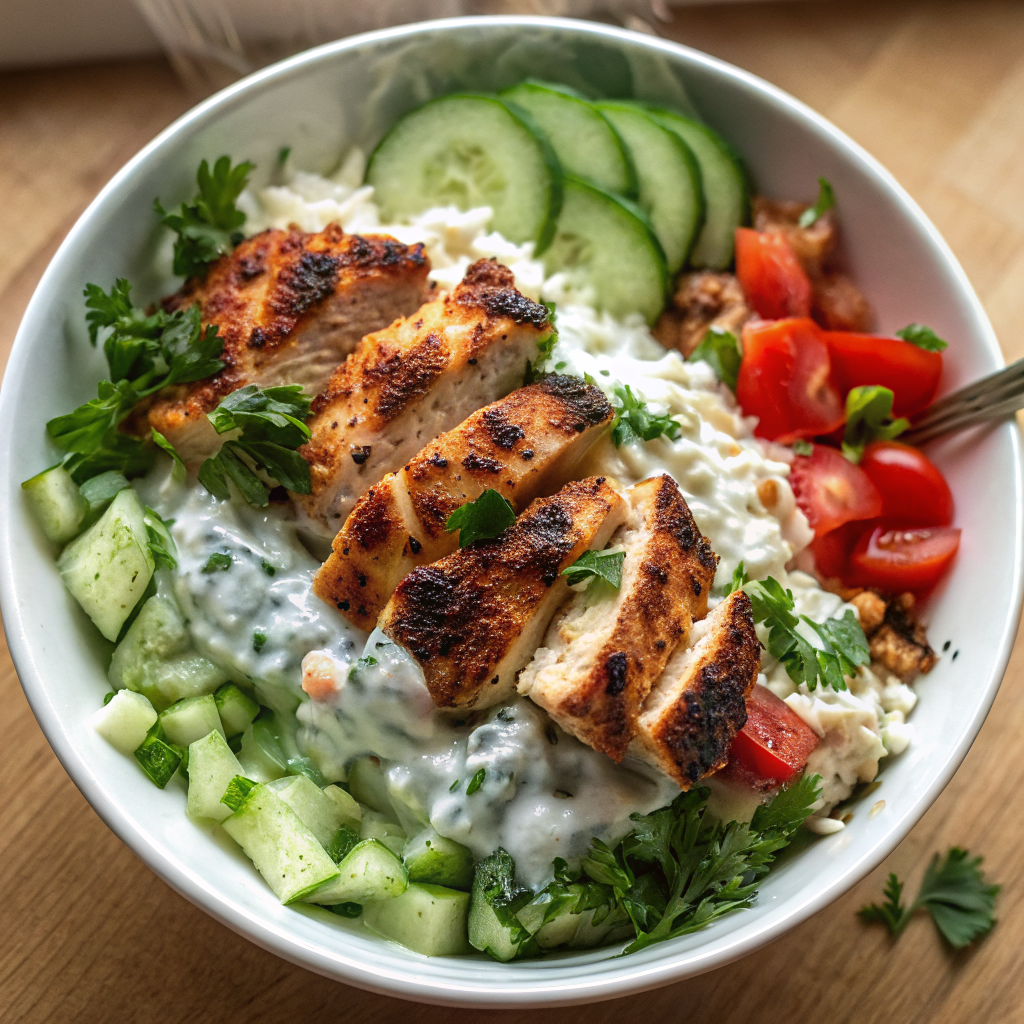
Creating stunning Chicken Tzatziki Bowls is about more than just combining delicious ingredients – it’s about understanding how color, texture, and composition work together to create a memorable dining experience. By applying these professional plating techniques and visual principles, you’ll transform simple weeknight dinners into restaurant-quality presentations that delight both the eye and the palate. Remember, the best dishes engage all the senses, and when you master the art of beautiful presentation, every meal becomes a celebration of both flavor and visual artistry.
Made these Chicken Tzatziki Bowls? Drop your twist in the comments, rate the recipe, and tag us on facebook, instagram with #erinrecipes — we might feature your creation!
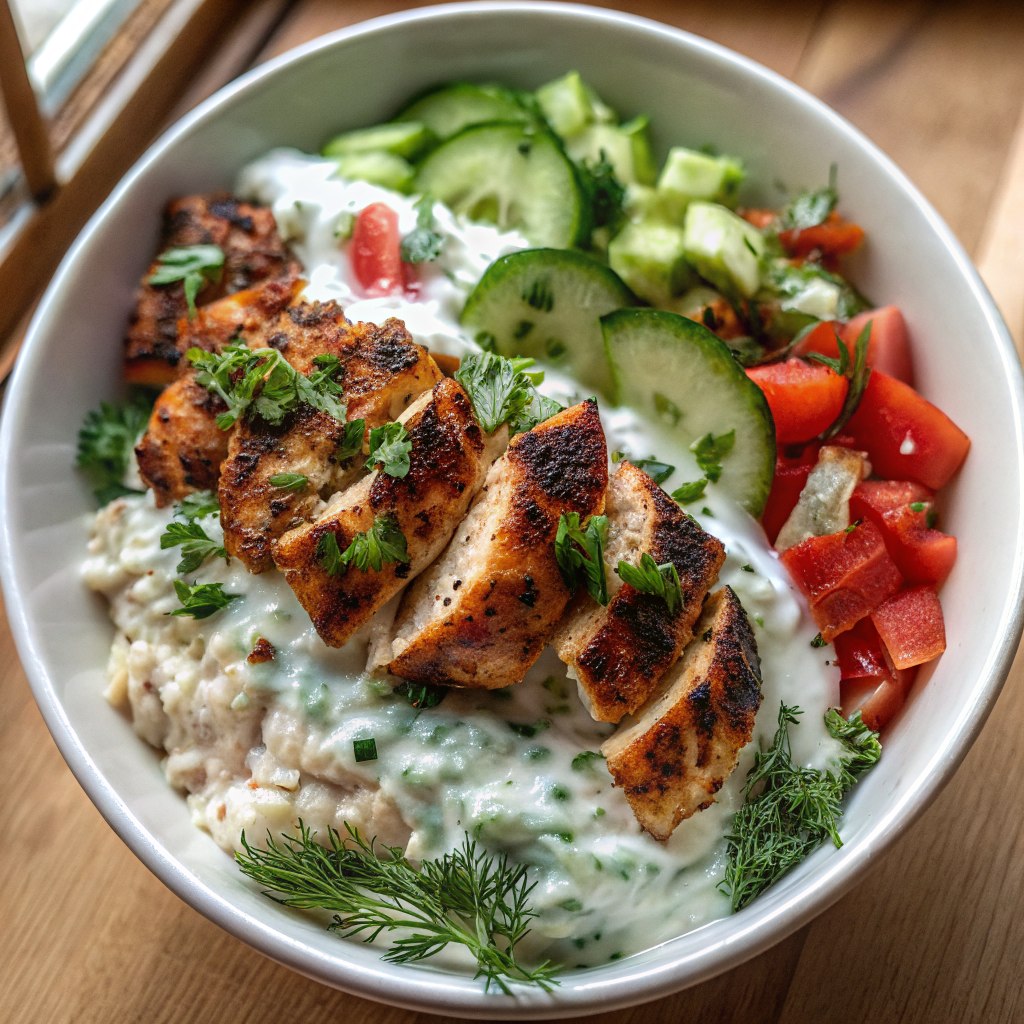
Stunning Chicken Tzatziki Bowls: Visual Guide to Perfect Plating
Ingredients
Instructions
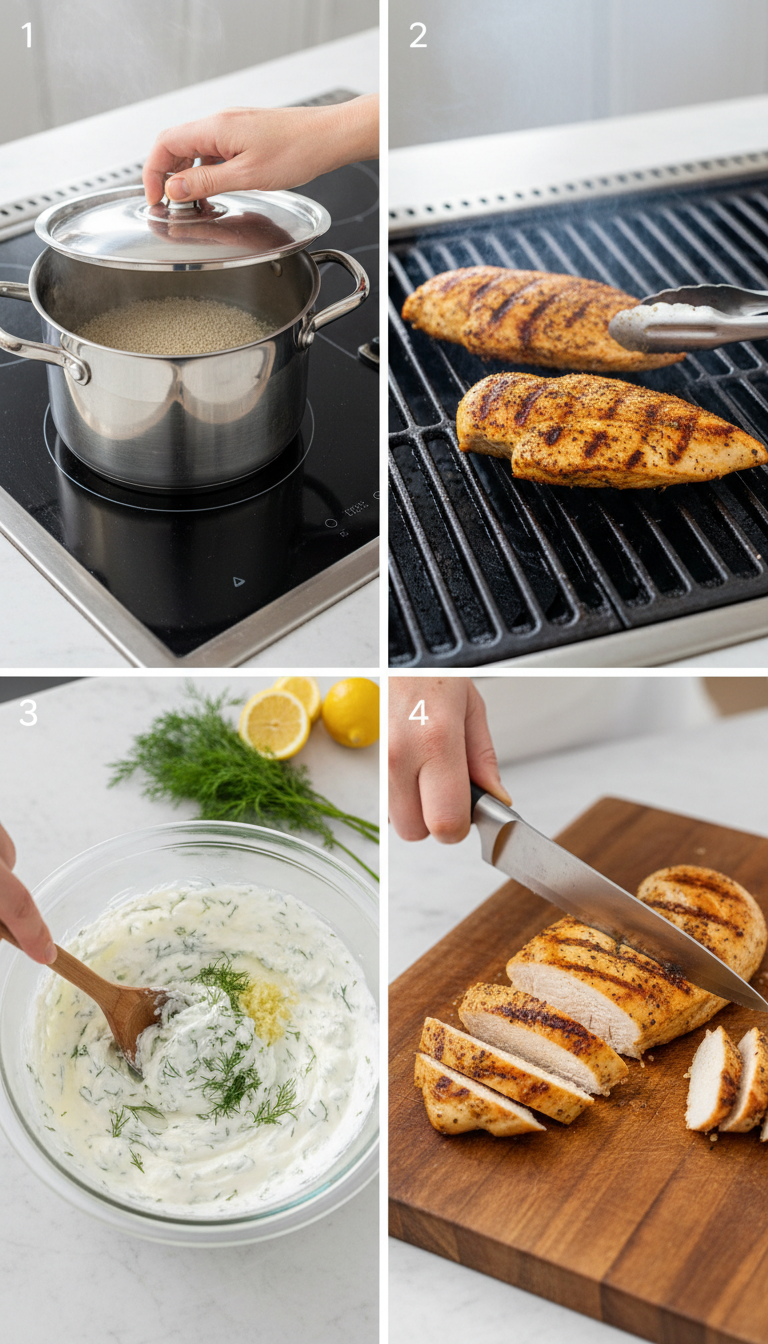
- Prepare the Base: Cook your chosen grain according to package instructions. For quinoa, rinse under cold water, then combine one part quinoa with two parts water, bring to a boil, cover, and simmer for about 15 minutes. Fluff with a fork and set aside while you work on the chicken.
- Grill the Chicken: Pat the chicken breast dry, drizzle with olive oil, and season generously with salt and pepper. Preheat the grill to medium‑high heat and place the chicken on the grates. Grill each side for 6–7 minutes, or until the internal temperature reaches 165°F (74°C). Remove from heat and let rest for a few minutes before slicing into strips.
- Make the Tzatziki Sauce: In a mixing bowl, combine the Greek yogurt, grated cucumber, minced garlic, lemon juice, and chopped dill. Stir until smooth, then season with a pinch of salt. For extra tang, add a splash of extra lemon juice. Refrigerate for at least 10 minutes to let the flavors meld.
- Assemble the Bowls: Divide the cooked rice or quinoa among four serving bowls. Top each with an equal portion of sliced grilled chicken, a generous dollop of tzatziki, and a scattering of diced tomatoes. Finish with an optional drizzle of olive oil or a sprinkle of extra dill for visual appeal.
- Serve or Store: Serve the bowls immediately while the chicken is still warm, or cover and refrigerate for up to four days. The tzatziki stays fresh, and the grains reheat quickly in the microwave if you prefer a warm meal later.