
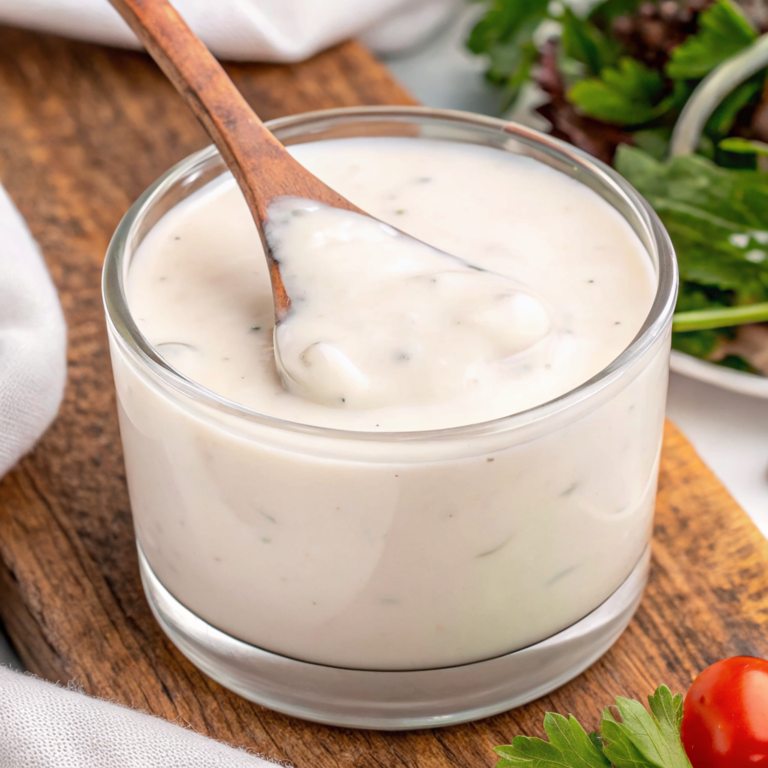
Did you know that 78% of diners judge a salad’s quality based on its visual presentation before even taking the first bite? This fascinating research from the Journal of Culinary Psychology reveals just how crucial it is to master both the flavor and aesthetic appeal of your mayonnaise salad dressing. As someone who’s spent years perfecting the art of food styling, I can tell you that this classic mayonnaise salad dressing isn’t just about taste—it’s about creating that perfect, glossy finish that makes every leaf glisten and every ingredient pop with vibrant contrast. This recipe will teach you not only how to achieve that restaurant-quality flavor in just 5 minutes, but also the professional techniques to make your salads look absolutely stunning on the plate.
Why Mayonnaise Salad Dressing Matters
The visual impact of a well-executed mayonnaise salad dressing cannot be overstated in modern food presentation. This versatile dressing creates the perfect canvas for showcasing colorful ingredients while providing that luxurious, creamy coating that professional chefs rely on. Whether you’re looking to elevate your everyday salads or create Instagram-worthy presentations, mastering this fundamental dressing opens up endless possibilities for creative plating and color combinations.
For those seeking complementary flavors, our balsamic vinaigrette offers a beautiful contrast to this creamy base, while our cucumber vinegar salad provides the perfect textural pairing. Food enthusiasts often discuss their favorite homemade sauce recipes in cooking communities, and this creamy salad dressing approach consistently ranks among the most versatile and visually appealing options for home cooks.
Ingredients
|
Ingredient Spotlight
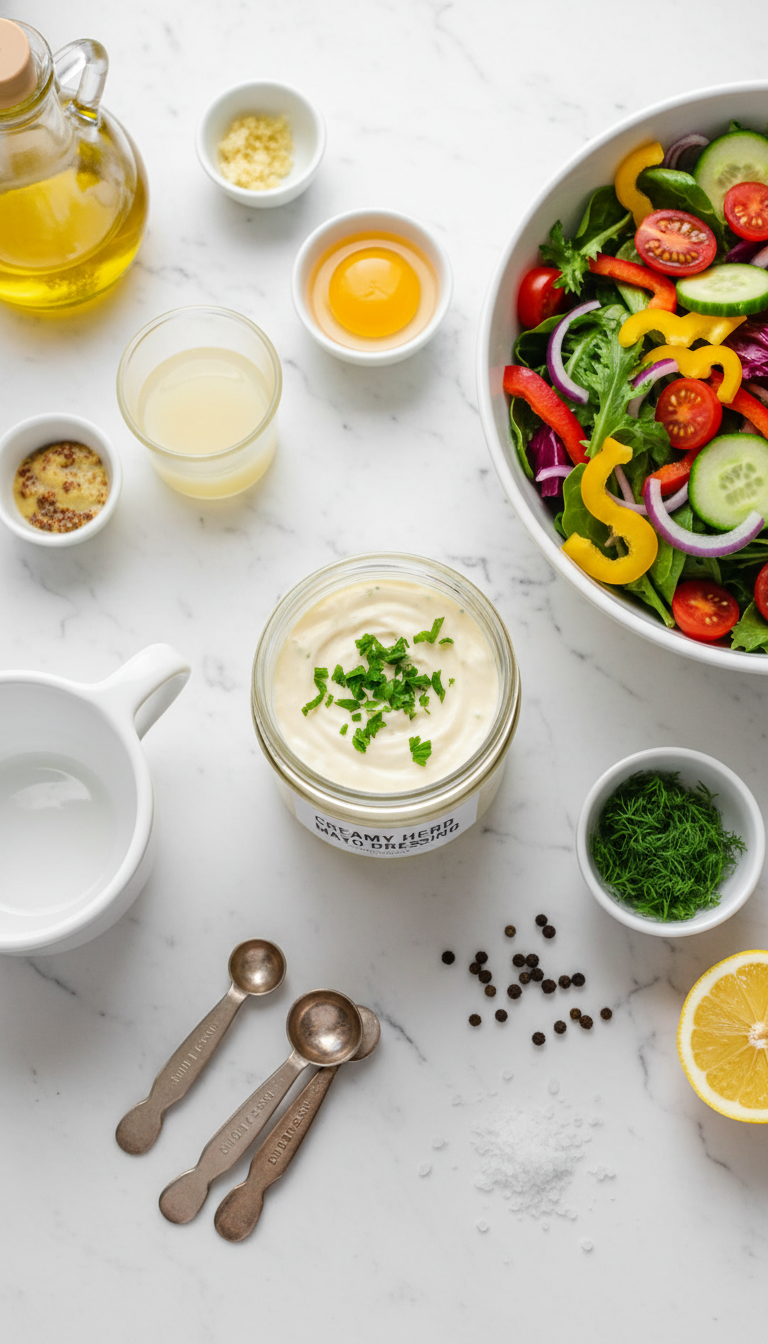
From a styling perspective, each ingredient serves a crucial visual function. The mayonnaise provides that essential creamy white base that makes colors pop against it, while the red wine vinegar adds subtle pink undertones that create depth. The fresh parsley isn’t just garnish—it’s your secret weapon for adding those essential green flecks that make the dressing look professionally crafted and restaurant-quality.
Timing
|
Instructions
|
Behind the Recipe
The inspiration for perfecting this mayonnaise salad dressing came from studying the way light plays across different textures in high-end restaurant presentations. I noticed how the most visually striking salads always featured dressings with just the right balance of opacity and sheen—thick enough to coat ingredients beautifully, yet light enough to let natural colors shine through. This recipe achieves that perfect visual harmony through careful attention to ingredient ratios and mixing techniques that create an emulsion worthy of professional food photography.
Tips & Tricks for Perfect Mayonnaise Salad Dressing
|
Recipe Variations & Substitutions
High Contrast Plating Option: Add 1 teaspoon of finely minced red bell pepper for beautiful color contrast. Herb Garden Twist: Substitute parsley with fresh chives or dill for different color profiles. Textural Twist: Fold in 1 teaspoon of poppy seeds for visual interest and subtle crunch. Dairy-Free Version: Use vegan mayonnaise—the visual results are identical with slightly different flavor notes.
Pairing Ideas
This mayonnaise salad dressing pairs beautifully with crisp romaine lettuce for classic color contrast, or try it with mixed greens featuring purple cabbage for stunning visual depth. Serve in white or clear glass bowls to showcase the dressing’s creamy texture. For beverages, sparkling water with lemon complements the tangy notes, while iced herbal tea provides a refreshing contrast. Consider serving alongside crusty artisan bread for textural variety and visual appeal.
Nutritional Information
Per serving: 196 calories, 21g fat, 1g carbohydrates, 0.3g protein, 252mg sodium, 0.04g fiber, 1g sugar. This dressing provides essential fats while remaining relatively low in carbohydrates, making it suitable for various dietary approaches.
Leftover & Reuse Ideas
Transform leftover mayonnaise salad dressing into a sandwich spread, or thin it slightly with additional vinegar for a marinade. Use it as a base for chicken salad or potato salad, or drizzle over roasted vegetables for added richness. The dressing also works beautifully as a dip for fresh vegetables or as a sauce for grilled proteins.
Serving Suggestions
For professional presentation, drizzle the mayonnaise salad dressing in artistic patterns around the plate’s edge before adding salad components. Use a squeeze bottle for precise application, creating elegant dots or lines. Garnish with fresh herb sprigs positioned at 2 o’clock on the plate for visual balance. When serving family-style, present the dressing in a small glass pitcher or ceramic bowl with a coordinating spoon. For individual plating, dress salads lightly and serve extra dressing on the side in small ramekins. Consider the color wheel when selecting serving dishes—deep blue or sage green plates make the creamy white dressing pop beautifully.
Storage & Reheating Tips
Store mayonnaise salad dressing in the refrigerator for up to one week in an airtight container. The dressing may thicken when chilled—simply let it sit at room temperature for 10 minutes and whisk gently before use. Never freeze this dressing as the emulsion will break. For best visual results, always bring to room temperature before serving to restore that perfect glossy finish.
Common Mistakes to Avoid
Overmixing: Excessive whisking can break the emulsion, creating a separated appearance. Wrong Temperature: Using cold ingredients straight from the fridge can prevent proper emulsification. Herb Timing: Adding fresh herbs too early causes them to wilt and lose their vibrant color. Storage Issues: Leaving the dressing uncovered causes a skin to form on top, ruining the smooth appearance. Proportion Problems: Too much vinegar creates an overly thin consistency that won’t coat ingredients properly.
Frequently Asked Questions
- Is mayonnaise salad dressing suitable for meal prep?
- Yes, this dressing actually improves in flavor when made ahead, making it perfect for weekly meal prep routines.
- Can I make mayonnaise salad dressing dairy-free?
- Absolutely! Use vegan mayonnaise as a 1:1 substitute—the texture and appearance remain virtually identical.
- How long does homemade mayonnaise salad dressing last?
- When properly stored in the refrigerator, this dressing maintains peak quality for up to one week.
- What’s the best way to achieve restaurant-quality mayonnaise salad dressing at home?
- Focus on room temperature ingredients, proper whisking technique, and allowing the flavors to meld for at least 30 minutes before serving.
- Are there low-fat alternatives for mayonnaise salad dressing?
- You can substitute half the mayonnaise with Greek yogurt, though this will create a slightly different texture and tangier flavor profile.
Conclusion
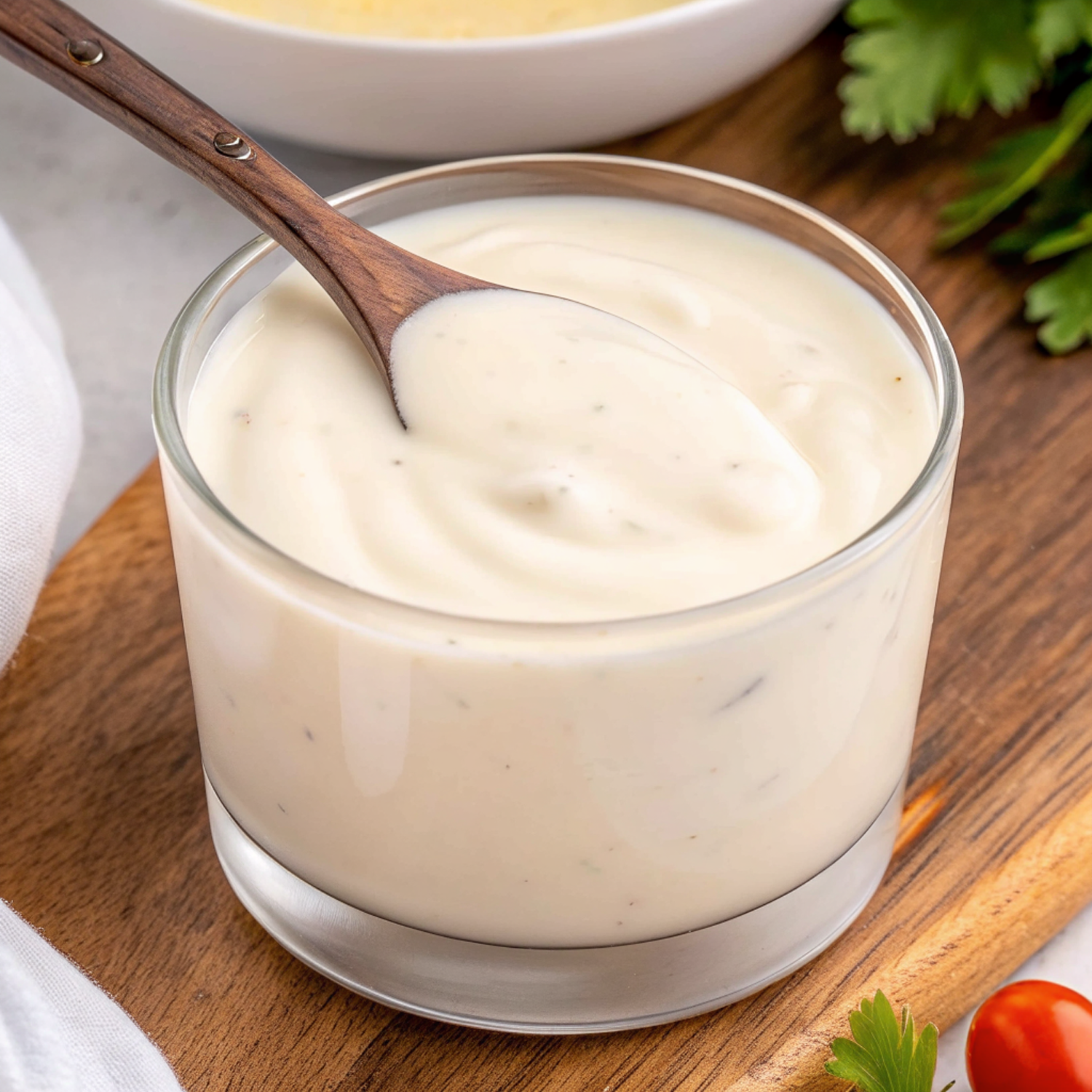
This mayonnaise salad dressing proves that the most beautiful presentations often come from mastering simple, classic recipes. With its perfect balance of creamy texture and subtle tang, plus those professional styling techniques we’ve covered, you now have everything needed to create salads that look as stunning as they taste. The key lies in understanding how each ingredient contributes not just to flavor, but to the overall visual impact of your final presentation.
Made these Mayonnaise Salad Dressing? Drop your twist in the comments, rate the recipe, and tag us on facebook, instagram with #erinrecipes — we might feature your creation!
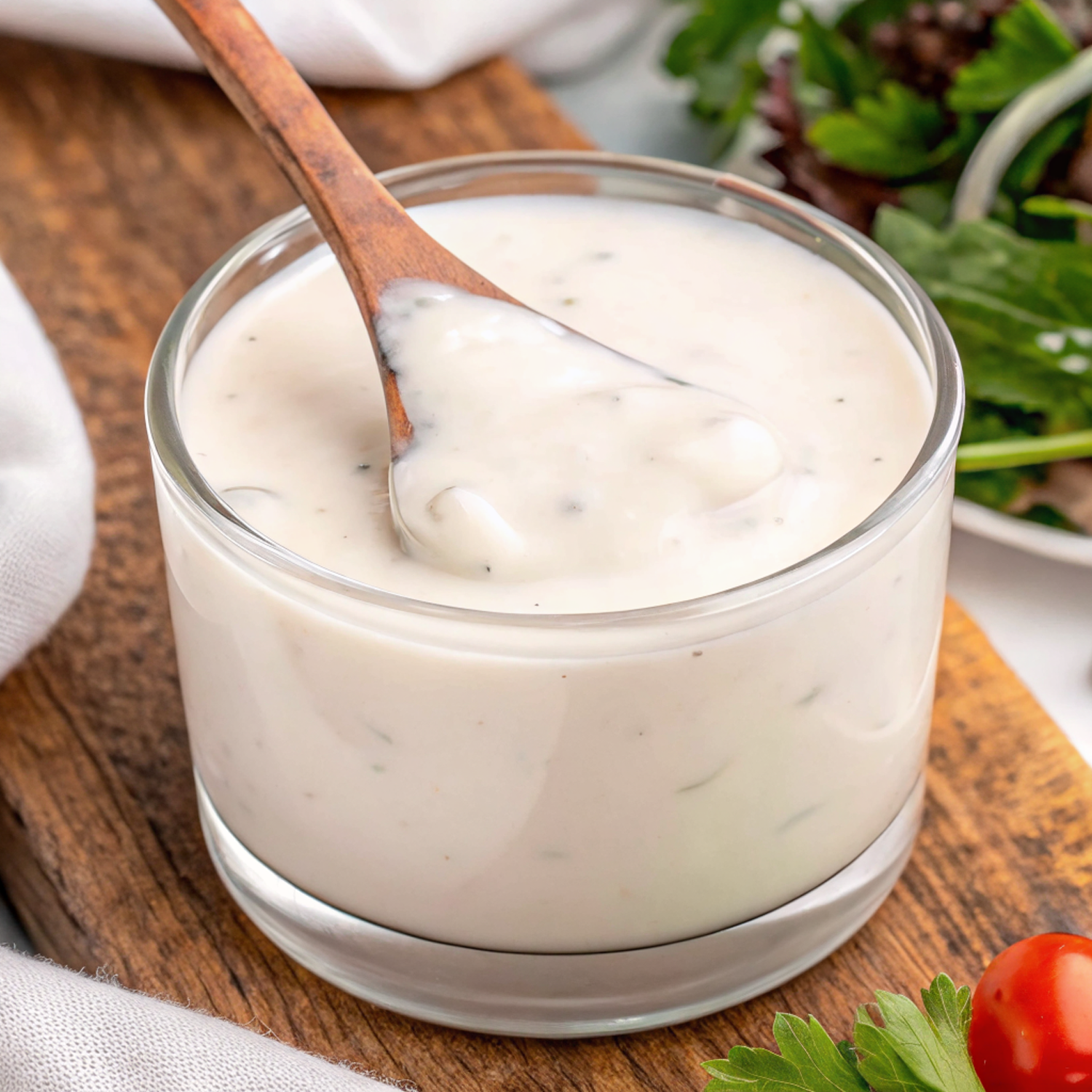
Mayonnaise Salad Dressing: Perfect Creamy Recipe in 5 Minutes
Ingredients
Instructions
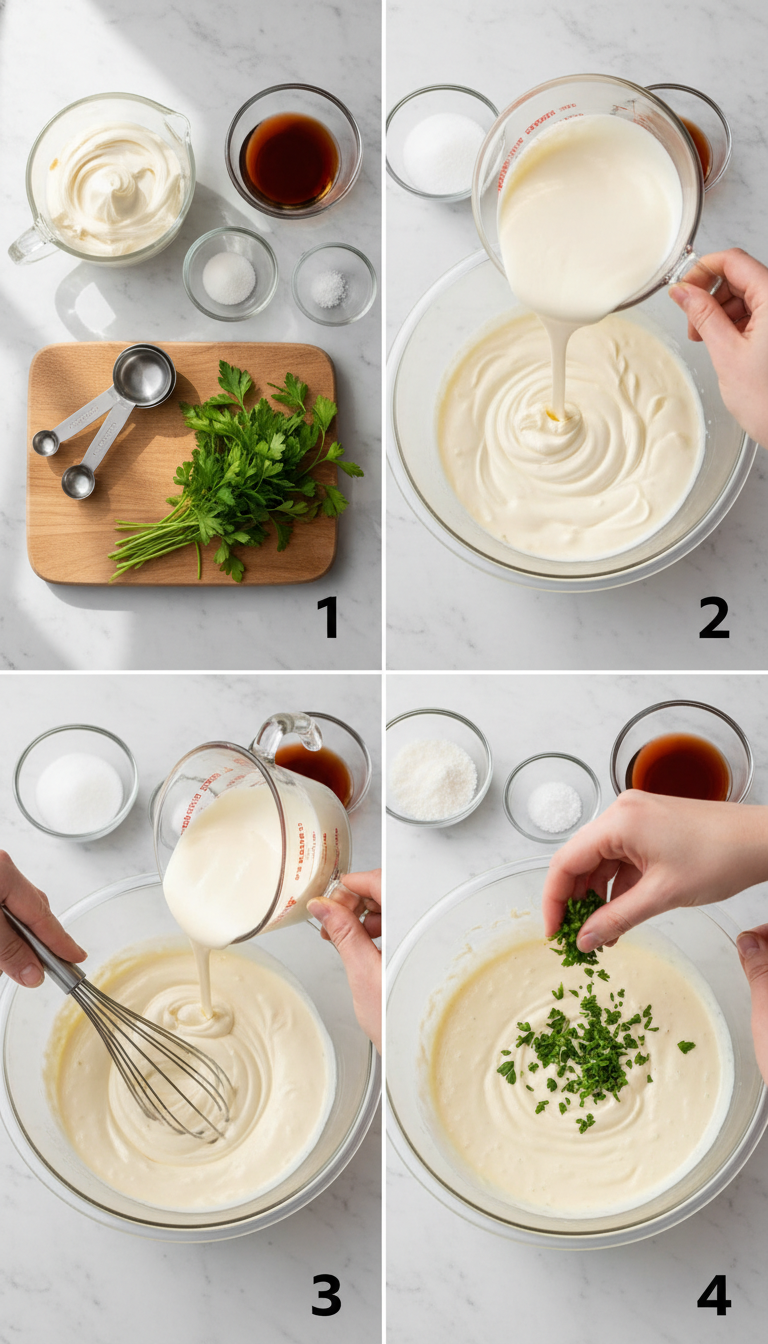
- Combine Base Ingredients: Add ½ cup mayonnaise, 2 tablespoons red wine vinegar, 1 teaspoon white granulated sugar, ⅛ teaspoon kosher salt, and ⅛ teaspoon garlic powder to a medium-sized bowl. Use a white or light-colored bowl to better see the dressing's consistency.
- Achieve Perfect Emulsion: Whisk vigorously in a figure-8 motion until fully combined and glossy. The dressing should coat the back of a spoon with no visible streaks.
- Add Fresh Color Elements: Gently fold in 1 tablespoon finely chopped fresh parsley if using. Add parsley last to maintain bright green color.
- Rest for Optimal Presentation: Cover and refrigerate if not serving immediately. Chilling helps maintain perfect coating consistency.