
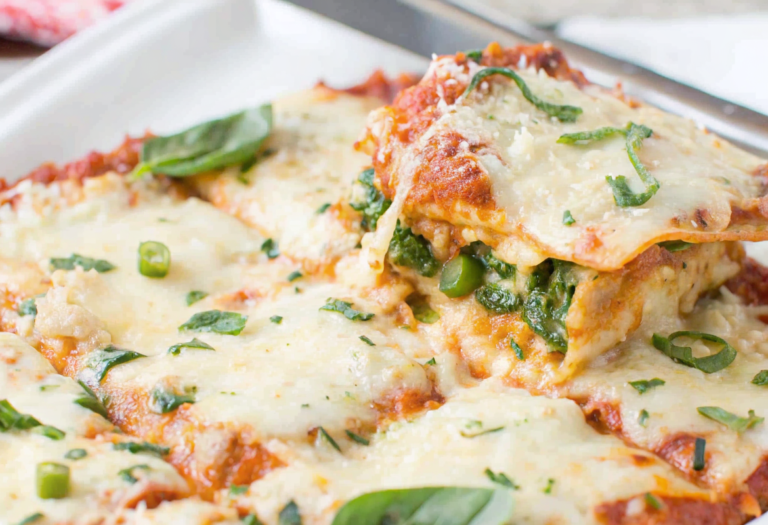
Did you know that layered pasta dishes like lasagna can increase vegetable consumption by up to 40% compared to serving those same vegetables as sides? This Spring Vegetable Lasagna transforms seasonal produce into a comforting masterpiece that even the pickiest eaters will devour. With tender zucchini, vibrant spinach, and sweet peas nestled between creamy ricotta layers, this recipe celebrates the best of spring’s bounty. You’ll discover how to build perfect layers, balance flavors, and create a dish that’s both nutritious and indulgent. Whether you’re meal prepping for the week or hosting a dinner party, this Spring Vegetable Lasagna delivers restaurant-quality results with simple techniques that guarantee success every time.
Why Spring Vegetable Lasagna Matters
Spring vegetables bring unmatched freshness and nutritional density to comfort food classics. This Spring Vegetable Lasagna combines the season’s finest produce with traditional Italian techniques. For more layered pasta inspiration, check out our Ultra Creamy Spinach and Mushroom Lasagna and our One Pot Lasagna Soup for easier weeknight options. Professional chefs recommend this layering technique guide for perfect assembly, while Cookie and Kate’s vegetable lasagna insights offer additional flavor combinations.
Ingredients for Perfect Spring Vegetable Lasagna
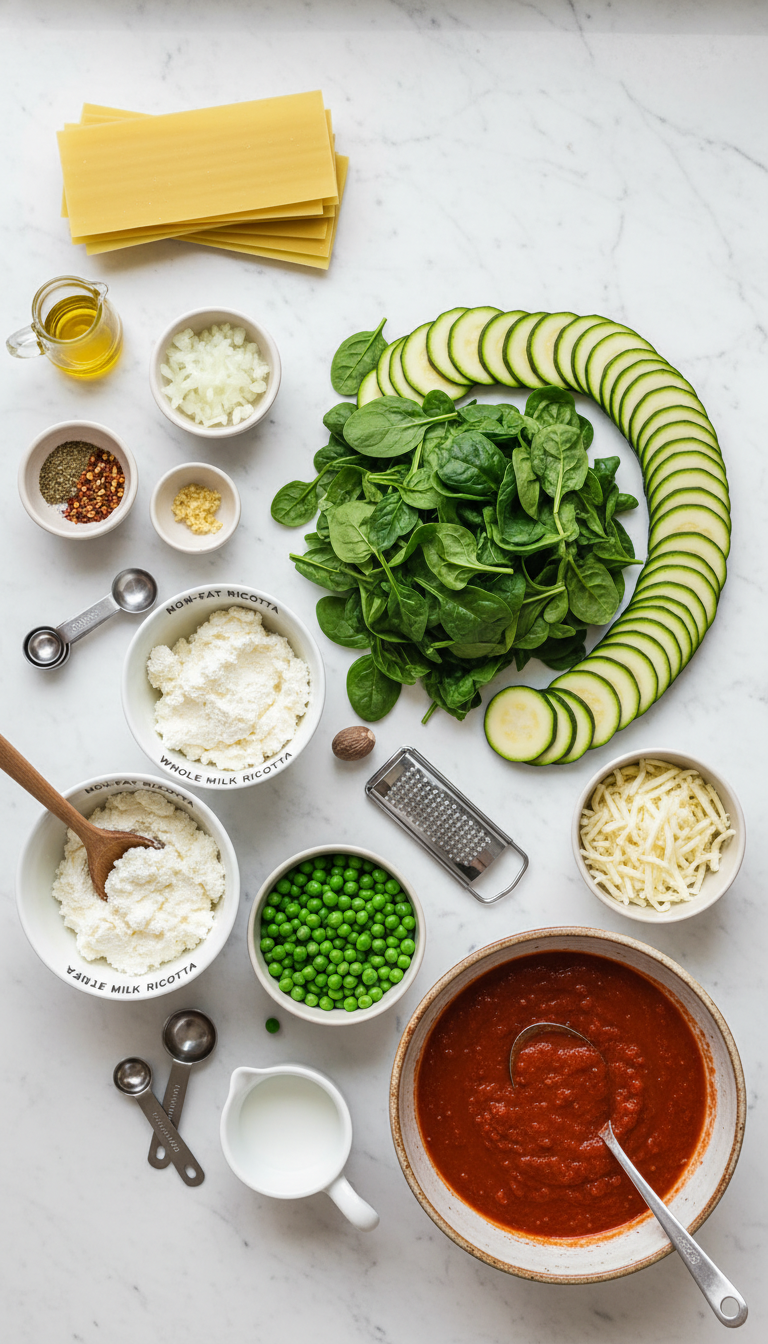
|
Ingredient Spotlight: What Makes This Spring Vegetable Lasagna Special
The ricotta blend creates the perfect creamy texture – non-fat ricotta provides structure while whole milk ricotta adds richness. Fresh nutmeg elevates the cheese layer with warm, aromatic notes that complement spring vegetables beautifully. Zucchini slices release just enough moisture to keep the lasagna moist without making it soggy, while fresh spinach wilts down to concentrate its earthy flavor. The peas add natural sweetness and vibrant color that makes each bite visually appealing and nutritionally complete.
Timing for Spring Vegetable Lasagna Success
|
Step-by-Step Spring Vegetable Lasagna Instructions
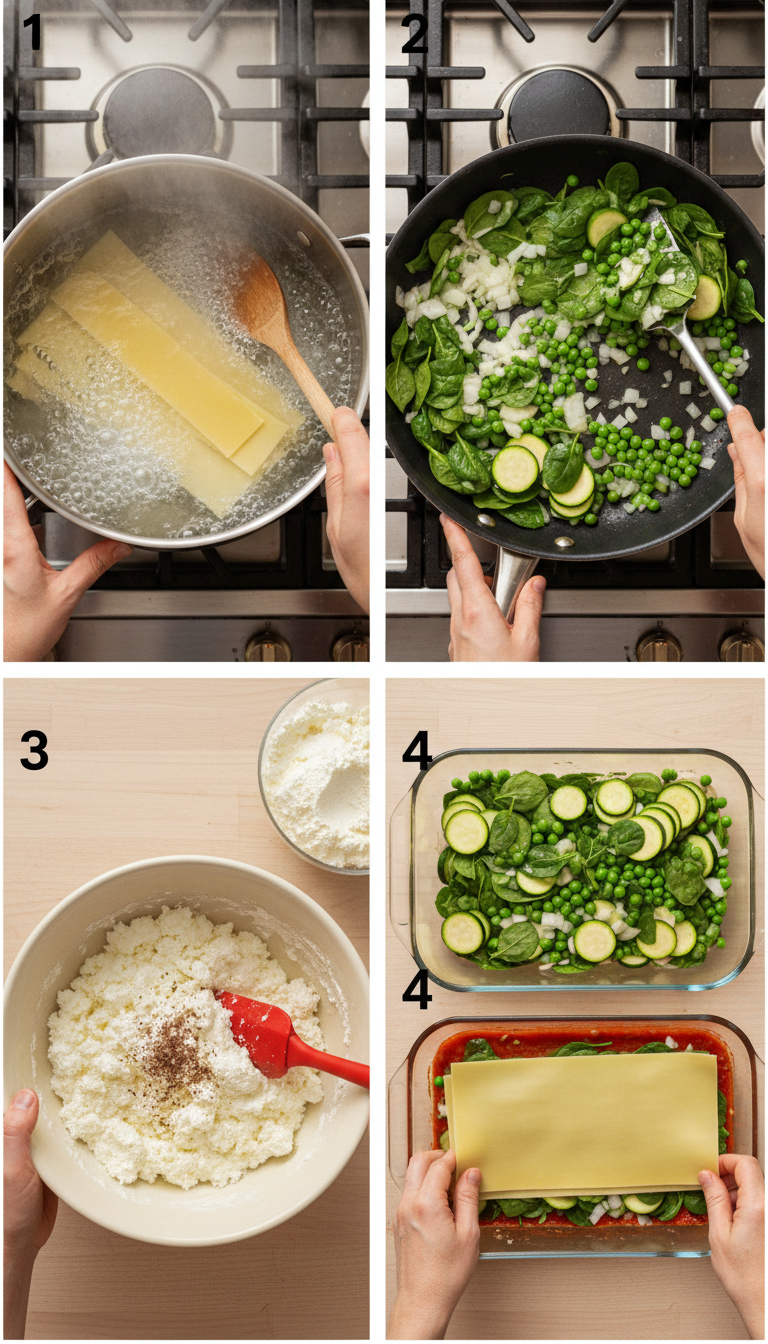
|
Tips & Tricks for Perfect Spring Vegetable Lasagna
|
Recipe Variations & Substitutions for Spring Vegetable Lasagna
Mediterranean Twist: Add sun-dried tomatoes, artichoke hearts, and crumbled feta cheese to the vegetable mixture. Protein-Packed Version: Layer in grilled chicken breast or white beans between the vegetable layers. Vegan Alternative: Replace ricotta with cashew cream and use nutritional yeast instead of mozzarella. Gluten-Free Option: Substitute regular noodles with rice-based or lentil lasagna sheets for the same satisfying texture.
Behind the Spring Vegetable Lasagna Recipe
This recipe was inspired by a visit to a farmers market in early spring, where the vibrant colors and fresh aromas of seasonal vegetables demanded to be celebrated. The combination of traditional Italian layering techniques with fresh, local produce creates a dish that honors both comfort food traditions and seasonal eating. Each ingredient was chosen to complement the others while showcasing the natural sweetness and tender textures that make spring vegetables so special.
Perfect Pairings for Spring Vegetable Lasagna
Serve this Spring Vegetable Lasagna alongside a crisp Caesar salad with homemade croutons and fresh lemon juice. Garlic bread or focaccia provides the perfect vehicle for soaking up any extra marinara sauce. For beverages, consider sparkling water with fresh herbs, iced tea with lemon, or a light fruit-infused water that won’t compete with the delicate vegetable flavors.
Leftover & Reuse Ideas
Transform leftover Spring Vegetable Lasagna into crispy pan-fried squares for breakfast topped with a fried egg. Chop it up and use as a filling for stuffed bell peppers or as a base for a hearty soup with added broth. Crumble cold lasagna over mixed greens for a unique salad, or blend small portions into a creamy pasta sauce for a quick weeknight dinner.
Nutritional Information
Each serving of this Spring Vegetable Lasagna provides approximately 285 calories, 18g protein, 28g carbohydrates, and 12g fat. The dish contains significant amounts of vitamin A from spinach, vitamin C from peas, and calcium from the ricotta and mozzarella cheeses. The vegetables contribute fiber and antioxidants while the cheese provides essential amino acids.
Serving Suggestions for Spring Vegetable Lasagna
Cut the Spring Vegetable Lasagna into neat squares using a sharp knife wiped clean between cuts. Garnish each portion with fresh basil leaves, a drizzle of good olive oil, or a sprinkle of freshly grated Parmesan. Serve on warmed plates to maintain temperature, and consider adding a small side of mixed greens dressed with simple vinaigrette to balance the richness.
Common Mistakes to Avoid
Overcooking the noodles leads to mushy texture – they’ll continue cooking in the oven. Skipping the vegetable drainage step results in watery lasagna that won’t hold its shape. Using cold ricotta makes spreading difficult and creates uneven layers. Not letting it rest after baking causes the layers to fall apart when serving. Overfilling layers leads to spillover and uneven cooking throughout the dish.
Storage & Reheating Tips
Store leftover Spring Vegetable Lasagna covered in the refrigerator for up to 4 days. For best results, reheat individual portions in the microwave at 50% power, covering with a damp paper towel to prevent drying. Whole pan reheating works best in a 325°F oven covered with foil for 25-30 minutes. Freeze assembled but unbaked lasagna for up to 3 months – add 15 minutes to the covered baking time when cooking from frozen.
- Is Spring Vegetable Lasagna suitable for vegetarians?
- Yes, this Spring Vegetable Lasagna is completely vegetarian-friendly, featuring only vegetables, cheese, and pasta with no meat products.
- Can I make Spring Vegetable Lasagna ahead of time?
- Absolutely! Assemble the Spring Vegetable Lasagna up to 24 hours in advance, cover tightly, and refrigerate. Add 10-15 minutes to the covered baking time.
- How do I prevent Spring Vegetable Lasagna from being watery?
- Properly drain the cooked vegetables and use the salt-and-drain technique for zucchini to remove excess moisture before assembly.
- Can Spring Vegetable Lasagna be frozen?
- Yes, freeze assembled Spring Vegetable Lasagna before or after baking. Wrap tightly and freeze for up to 3 months for best quality.
- What vegetables work best in Spring Vegetable Lasagna?
- Spring vegetables like asparagus, peas, spinach, zucchini, and fresh herbs create the most flavorful Spring Vegetable Lasagna with optimal seasonal taste.
Conclusion
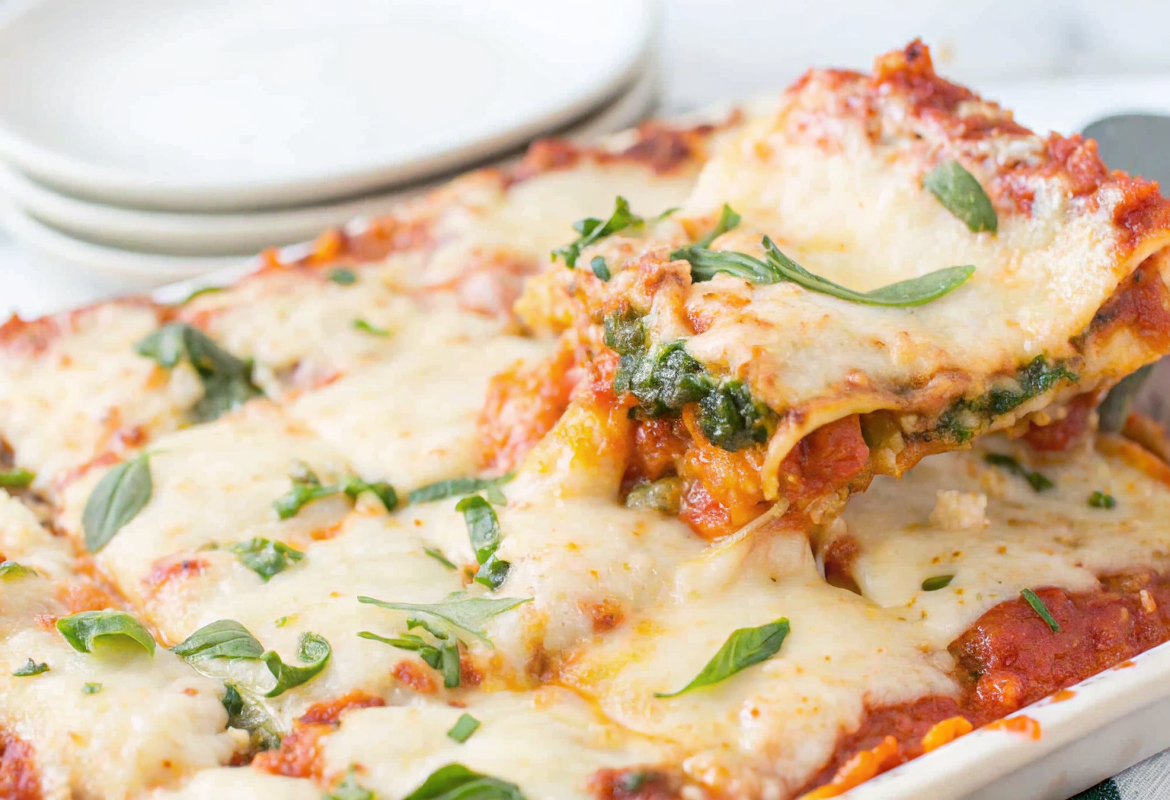
This Spring Vegetable Lasagna transforms seasonal produce into a memorable comfort food experience that satisfies both vegetable lovers and traditional lasagna enthusiasts. The layered approach ensures every bite delivers creamy ricotta, tender vegetables, and perfectly seasoned marinara sauce. With proper technique and quality ingredients, you’ll create a dish worthy of special occasions yet simple enough for weeknight dinners.
Made these Spring Vegetable Lasagna? Drop your twist in the comments, rate the recipe, and tag us on facebook, instagram with #erinrecipes — we might feature your creation!
Spring Vegetable Lasagna Recipe – Fresh & Flavorful
Ingredients
Instructions
Nutrition Facts
Nutrition data is currently unavailable for this recipe.