
Did you know that visual appeal accounts for 83% of the decision-making process when it comes to food? This Mediterranean masterpiece, Boureki (Cheesy Potato Casserole with Zucchini and Fresh Herbs), transforms humble vegetables into a stunning layered composition that rivals any gallery piece. The interplay of golden potato rounds, vibrant emerald zucchini ribbons, and snow-white feta creates a visual symphony that speaks to both the eyes and the palate. As a food stylist, I’m constantly amazed by how proper layering technique can elevate a simple casserole into restaurant-quality presentation. This traditional Greek dish isn’t just about flavor—it’s about creating edible art that celebrates the natural beauty of seasonal vegetables through thoughtful composition and color contrast.
Why Visual Presentation Matters in Boureki
The art of beautiful food presentation goes far beyond mere aesthetics—it’s about creating an emotional connection before the first bite. When we layer our Boureki (Cheesy Potato Casserole with Zucchini and Fresh Herbs) with intention, we’re crafting a story through color, texture, and geometric precision. For inspiration on similar layered vegetable dishes, explore this Layered Summer Vegetable Casserole technique, and don’t miss our low-carb zucchini recipes for more creative presentations. The psychology of food styling reveals that dishes with clear visual layers and contrasting colors not only photograph beautifully but also enhance the dining experience by creating anticipation and highlighting each ingredient’s unique contribution. Professional techniques like proper zucchini preparation and strategic Mediterranean flavor combinations ensure your casserole becomes a centerpiece worthy of any table.
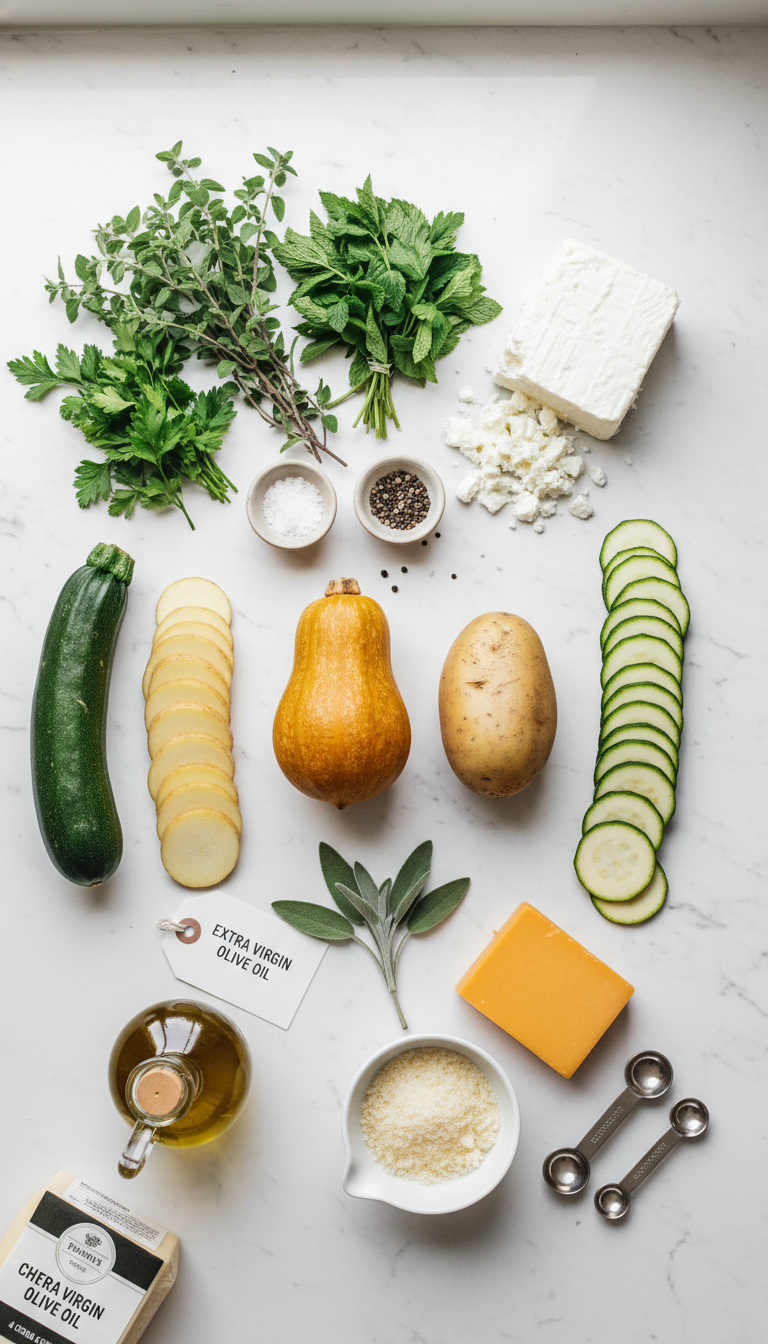
Ingredients for Perfect Boureki Presentation
|
Ingredient Spotlight: Building Color Harmony
Each ingredient in our Boureki (Cheesy Potato Casserole with Zucchini and Fresh Herbs) serves a specific visual purpose. The golden acorn squash creates warm undertones that complement the creamy potatoes, while the zucchini provides essential green contrast that prevents the dish from appearing monochromatic. Fresh herbs aren’t just flavor enhancers—they’re your color palette, with sage offering silvery sophistication, oregano providing bright green energy, and mint adding cooling visual relief. The feta cheese acts as your canvas, creating clean white space that allows other colors to pop dramatically. When selecting ingredients, choose zucchini with deep green skin and firm flesh for maximum color retention during baking.
Timing for Perfect Visual Results
|
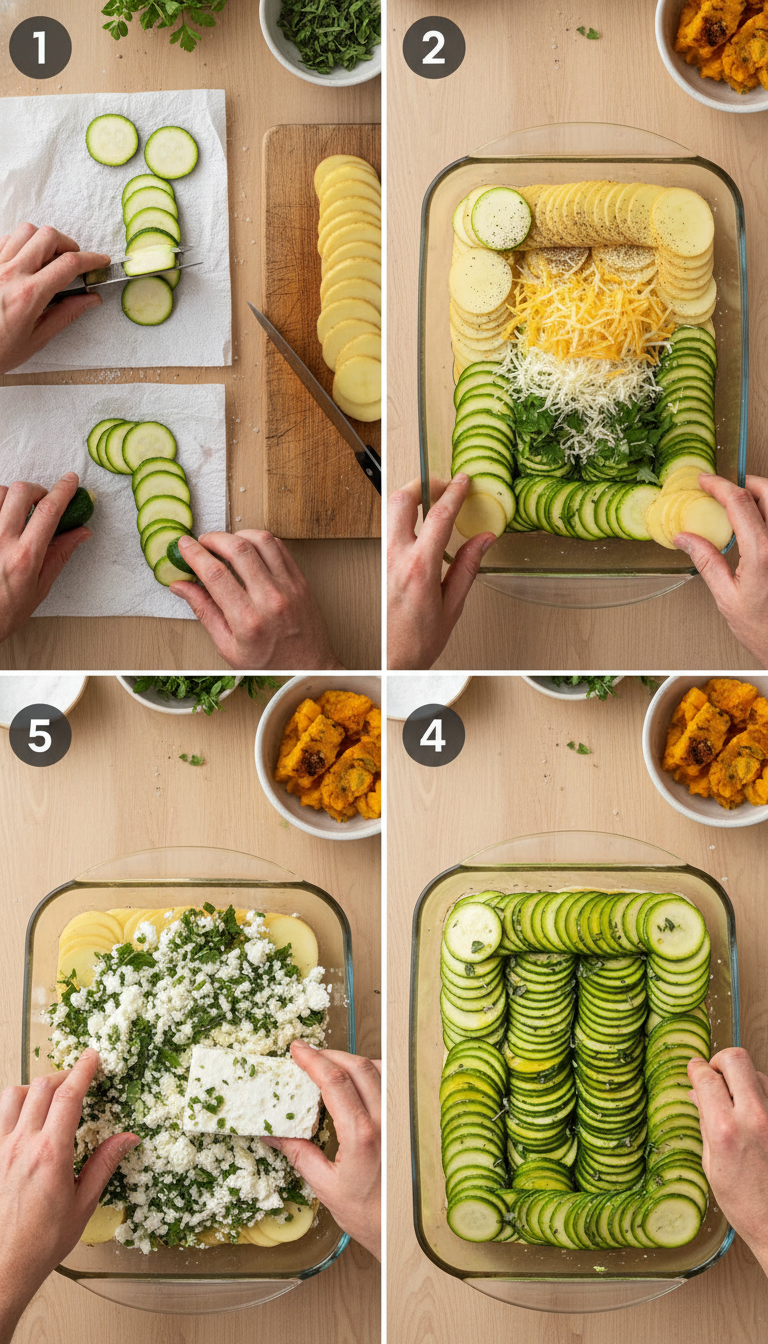
Step-by-Step Visual Assembly Instructions
|
Behind the Recipe: Mediterranean Color Theory
The inspiration for this Boureki (Cheesy Potato Casserole with Zucchini and Fresh Herbs) came from studying traditional Greek pottery and the way Mediterranean artisans layer earth tones with vibrant greens. The geometric precision of overlapping vegetable rounds mirrors the mathematical beauty found in ancient Greek architecture, while the color palette reflects the natural landscape of olive groves against limestone cliffs. This isn’t just a casserole—it’s edible art that celebrates the visual harmony of the Mediterranean coastline through thoughtful ingredient placement and color theory.
Professional Tips for Perfect Boureki Presentation
|
Creative Variations for Visual Impact
High Contrast Plating Option: Replace half the zucchini with yellow summer squash for a stunning green-and-gold checkerboard effect that creates maximum visual drama.
Textural Twist: Add a layer of thinly sliced eggplant for deep purple contrast and Mediterranean authenticity.
Rustic Garden Style: Incorporate cherry tomatoes halved and nestled between layers for pops of ruby red color.
Elegant Presentation: Use individual ramekins for personal-sized portions that allow for more precise geometric arrangements and professional plating.
Color-Coordinated Pairing Ideas
Serve your Boureki (Cheesy Potato Casserole with Zucchini and Fresh Herbs) alongside dishes that complement its Mediterranean color palette. A crisp white wine or sparkling water with lemon enhances the fresh herb notes, while a simple arugula salad with cherry tomatoes echoes the green and red color scheme. Present on white ceramic serving dishes to let the natural colors shine, and consider copper or terracotta serving vessels for authentic Mediterranean warmth. Garnish the serving platter with additional fresh herbs and lemon wedges for a restaurant-quality presentation.
Nutritional Information
Per serving: Approximately 285 calories, 18g fat, 22g carbohydrates, 12g protein, 4g fiber. Rich in vitamin C from zucchini, potassium from potatoes, and calcium from feta cheese. The olive oil provides healthy monounsaturated fats, while fresh herbs contribute antioxidants and essential oils.
Leftover Transformation Ideas
Transform leftover Boureki into elegant appetizers by cutting into small squares and serving at room temperature as mezze. Crumble cold pieces over salads for added texture and Mediterranean flavor, or reheat individual portions and top with a fried egg for a stunning breakfast presentation. The firm texture when chilled makes it perfect for picnic presentations and outdoor entertaining.
Serving Suggestions for Maximum Visual Impact
Present your Boureki (Cheesy Potato Casserole with Zucchini and Fresh Herbs) as the centerpiece of a Mediterranean feast. Cut into clean squares using a sharp knife wiped between cuts for professional edges. Arrange on a large white platter with fresh herb sprigs as garnish. For individual servings, use a wide spatula to maintain the layered structure, and finish each plate with a drizzle of high-quality olive oil and a sprinkle of flaky sea salt. The contrast of the rustic casserole against elegant white dinnerware creates stunning visual appeal. Consider serving alongside small bowls of extra herbs, olive oil, and lemon wedges, allowing guests to customize their presentation while maintaining the dish’s artistic integrity.
Storage and Reheating for Maintained Beauty
Store covered in the refrigerator for up to 4 days. The layers actually improve visually as they set, making day-two presentation even more stunning. For reheating, cover with foil and warm at 325°F for 20 minutes to prevent over-browning the top layer. Individual portions can be reheated in the microwave, though oven reheating maintains better texture and color vibrancy. For meal prep, assemble completely but don’t bake, then cover tightly and refrigerate for up to 2 days before baking fresh.
Common Visual Mistakes to Avoid
The biggest mistake in Boureki presentation is rushing the layering process, which creates uneven surfaces and poor color distribution. Avoid cutting vegetables too thick, as this prevents proper cooking and creates chunky, unprofessional appearance. Don’t skip the zucchini salting step—excess moisture creates soggy layers that lose their vibrant green color and clean lines. Over-browning the top destroys the beautiful color contrast, so monitor carefully during the final uncovered baking phase. Finally, cutting too soon after baking causes layers to slide and lose their geometric precision—always allow proper resting time for clean, professional slices.
- Is Boureki (Cheesy Potato Casserole with Zucchini and Fresh Herbs) suitable for vegetarians?
- Yes, this Mediterranean casserole is completely vegetarian, featuring only vegetables, cheese, herbs, and olive oil for a satisfying plant-based meal.
- Can I make Boureki (Cheesy Potato Casserole with Zucchini and Fresh Herbs) ahead of time?
- Absolutely! Assemble the entire casserole up to 2 days ahead, cover tightly, and refrigerate. The flavors actually improve as they meld, and the presentation remains stunning when baked fresh.
- What’s the best way to slice Boureki for beautiful presentation?
- Use a sharp knife and wipe it clean between cuts. Allow the casserole to rest for 10 minutes after baking for clean, professional-looking squares that maintain their layered structure.
- How do I prevent my Boureki layers from becoming soggy?
- Always salt the zucchini slices and let them drain for 15 minutes before layering. This removes excess moisture and maintains the vibrant colors and clean lines essential for beautiful presentation.
- Can I freeze Boureki (Cheesy Potato Casserole with Zucchini and Fresh Herbs)?
- While possible, freezing affects the texture of the vegetables and can make the presentation less appealing. For best visual results, prepare fresh or store refrigerated for up to 4 days.
Conclusion
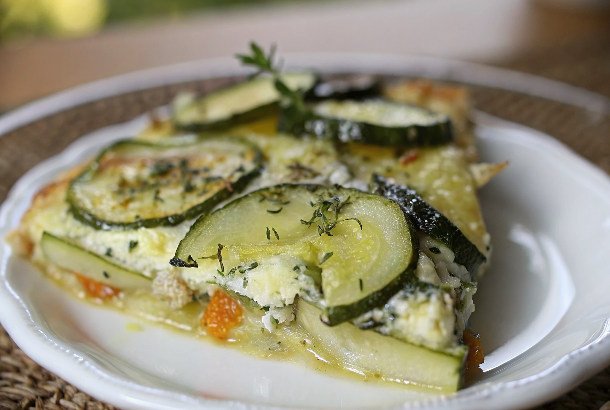
Creating this stunning Boureki (Cheesy Potato Casserole with Zucchini and Fresh Herbs) is about more than cooking—it’s about crafting edible art that celebrates the natural beauty of Mediterranean ingredients. Through careful attention to color contrast, geometric layering, and professional presentation techniques, you’ve transformed simple vegetables into a restaurant-quality centerpiece that’s as beautiful as it is delicious. The interplay of golden potatoes, vibrant zucchini, and pristine feta creates a visual symphony that honors both tradition and modern food styling principles.
Made these Boureki (Cheesy Potato Casserole with Zucchini and Fresh Herbs)? Drop your twist in the comments, rate the recipe, and tag us on facebook, instagram with #erinrecipes — we might feature your creation!
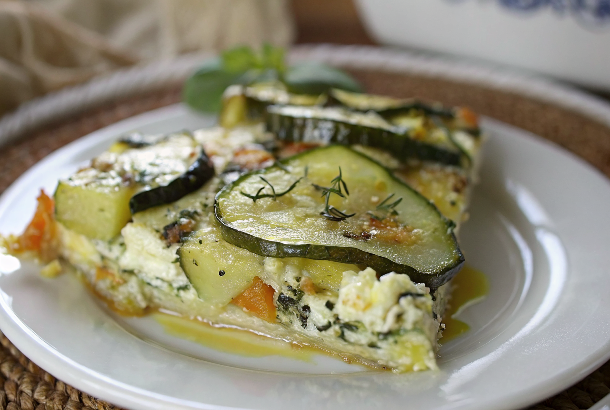
Boureki: Mediterranean Cheesy Potato Casserole Recipe
Ingredients
Instructions
- Roast Acorn Squash: Half the acorn squash and scoop out the seeds and pulp. Roast in the oven ahead of time and set out to cool. This can be done the night before or use leftover squash for this part.
- Prepare Oven and Zucchini: Preheat the oven to 375 degrees F. Slice zukes thin, lay out in layers on paper towels, sprinkle with sea salt to suck off moisture. (If you're pressed for time, you can get away with skipping the paper towels and salt)
- Slice Potatoes: Peel and slice the whole potatoes into thinly sliced rounds.
- Layer 1: Potatoes & Cheddar: Cover the bottom of the 8 x 8 glass baking dish with a thin layer of EVOO then add the first layer of potatoes sprinkled with ground black pepper, followed by thin slices of cheddar cheese.
- Layer 2: Zucchini, Herbs & Parmesan: Next, add a layer of the sliced zukes with a sprinkle of oregano, ground pepper and parmesan cheese, then another thin layer of potatoes.
- Layer 3: Acorn Squash & Sage: Scoop out the acorn squash meat from the skin, discard the skin. Squish out the squash as a layer then sprinkle on fresh chopped sage... less is more here - sage is a strong herb.
- Layer 4: Potatoes: Follow with another thin layer of potatoes.
- Layer 5: Feta & Mixed Herbs: In a mixing bowl, crumble the feta, oregano, mint and parsley together with your hands. and spread evenly across forming the next layer.
- Layer 6: Zucchini Cover: Final layer is zucchini again to fully cover the feta. This layer works well if it is two layers of zucchini edge to edge so that you can't see the feta below it.
- Final Drizzle & Seasoning: Evenly pour the remaining EVOO over top to cover that last layer of zukes and let it flow down over everything below. Sprinkle some more oregano over top to taste.
- Bake: Bake at 375 for 1 hour with a lid or parchment over the dish. Remove the parchment for the last 15 minutes or until the top layer is browned.