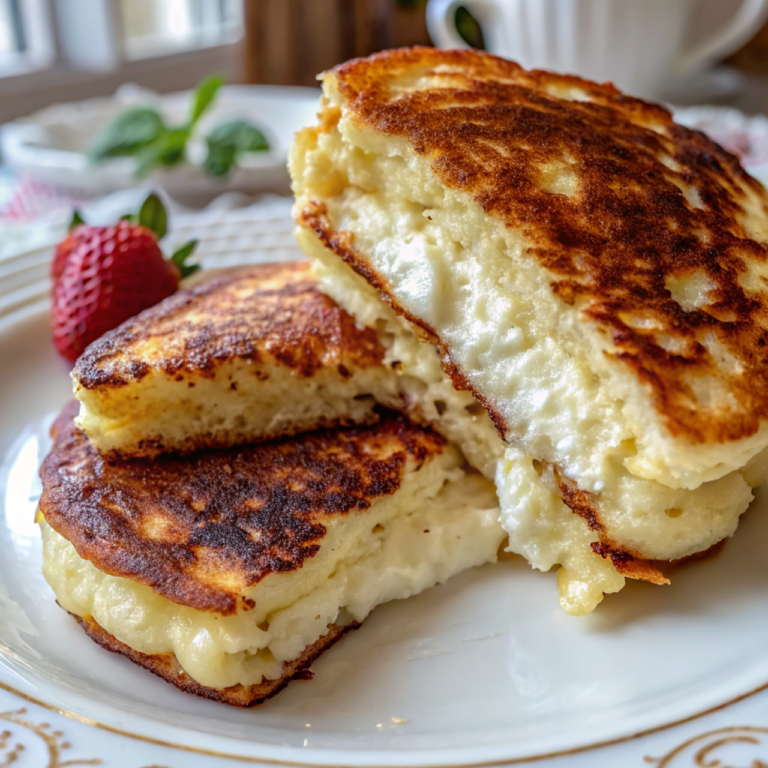
Are you searching for a breakfast that delivers 25 grams of protein while tasting like a weekend indulgence? Recent nutritional studies show that starting your day with protein-rich meals can boost metabolism by up to 30% compared to traditional carb-heavy breakfasts. These cottage cheese pancakes transform humble ingredients into fluffy, satisfying stacks that rival any diner classic. Whether you’re meal prepping for busy mornings or treating yourself to a leisurely brunch, this recipe proves that nutritious doesn’t mean sacrificing flavor. You’ll discover how cottage cheese creates the most tender texture, master timing techniques that guarantee golden perfection, and learn pro tips that ensure consistent results every single time.
Why Cottage Cheese Pancakes Matter for Your Morning Routine
These protein-packed pancakes revolutionize breakfast by combining convenience with nutrition. For those seeking French toast sticks alternatives or exploring good old fashioned pancakes with a healthy twist, cottage cheese pancakes deliver exceptional results. Learn more about pan frying and sautéing techniques to perfect your cooking method, and discover additional favorite high protein breakfast ideas to expand your morning repertoire.
Ingredients for Perfect Cottage Cheese Pancakes
|
Ingredient Spotlight: The Magic Behind Each Component
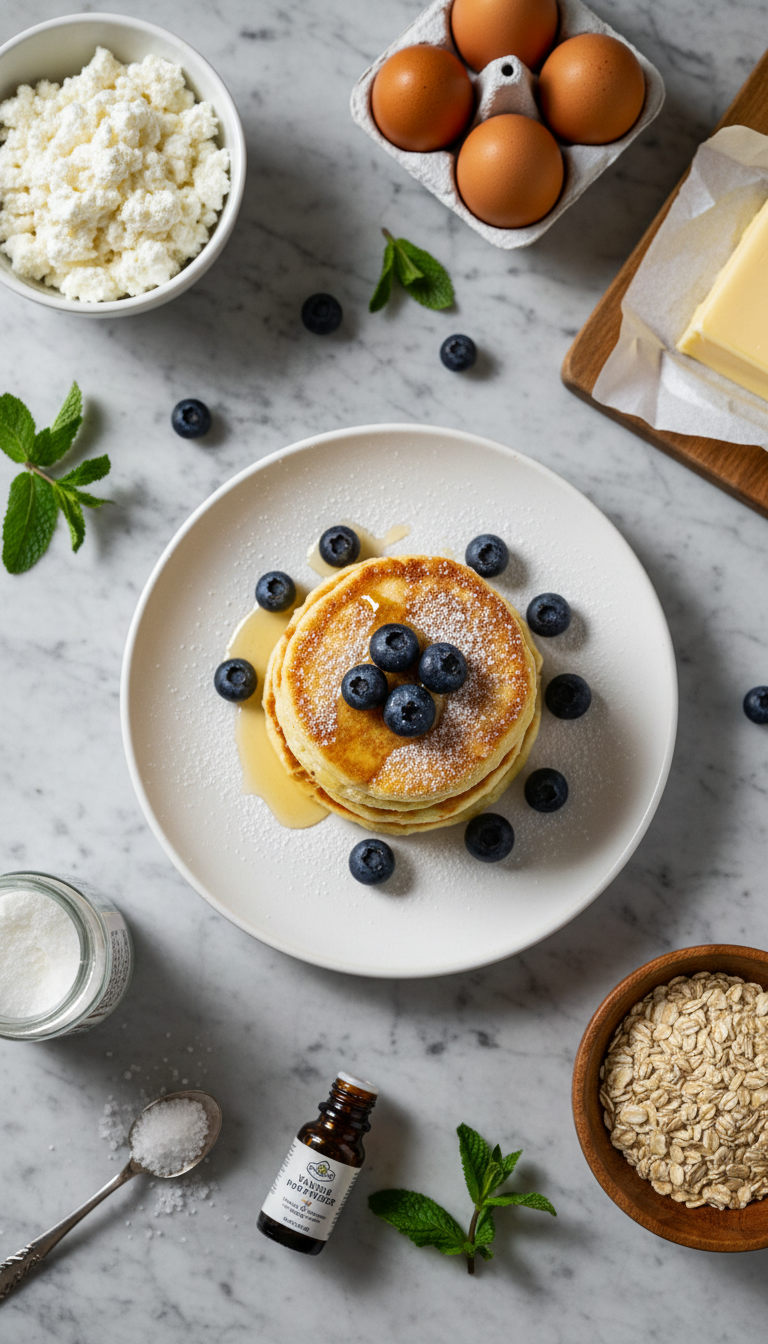
Cottage cheese serves as the protein powerhouse and moisture source, creating incredibly tender pancakes without heaviness. The curds break down during mixing, forming a creamy base that rivals traditional buttermilk. Oats act as a natural thickener while adding fiber and subtle nutty flavor. Unlike flour-based batters, oats create a heartier texture that keeps you satisfied longer. Baking powder provides the essential lift, while eggs bind everything together and contribute additional protein. The vanilla extract transforms these from merely nutritious to genuinely delicious, masking any potential tanginess from the cottage cheese.
Timing Your Cottage Cheese Pancakes
|
Step-by-Step Instructions for Fluffy Cottage Cheese Pancakes
|
Tips & Tricks for Perfect Cottage Cheese Pancakes
|
Recipe Variations & Substitutions
Chocolate Chip Paradise: Fold in 1/3 cup mini chocolate chips after mixing batter. The smaller chips distribute more evenly and won’t sink to the bottom.
Berry Bliss Version: Gently fold in 1/2 cup fresh blueberries or diced strawberries. Frozen berries work but should be thawed and patted dry first.
Cinnamon Spice Delight: Add 1/2 teaspoon ground cinnamon and pinch of nutmeg to dry ingredients. Creates warm, comforting flavors perfect for fall mornings.
Gluten-Free Adaptation: Ensure oats are certified gluten-free. The recipe naturally contains no wheat flour, making it celiac-friendly with proper oat selection.
Behind the Recipe: A Breakfast Revolution
This cottage cheese pancakes recipe emerged from the growing demand for high-protein breakfast options that don’t sacrifice taste or satisfaction. Traditional pancakes, while delicious, often leave you hungry within hours due to their simple carbohydrate content. By incorporating cottage cheese, we’ve created a breakfast that provides sustained energy, supports muscle maintenance, and satisfies morning cravings. The technique of using oats instead of flour adds fiber and creates a heartier texture that feels more substantial. This approach represents a modern twist on classic comfort food, proving that nutritious choices can be just as indulgent as traditional favorites.
Perfect Pairing Ideas for Cottage Cheese Pancakes
Fresh Fruit Combinations: Top with sliced bananas and a drizzle of honey, or create a berry medley with strawberries, blueberries, and raspberries. The natural sweetness complements the mild tanginess of cottage cheese.
Nut Butter Bliss: Spread almond butter or natural peanut butter between pancake layers for added protein and richness. A light dusting of cinnamon elevates this combination beautifully.
Maple and Yogurt Elegance: Serve with a dollop of Greek yogurt and pure maple syrup. This combination doubles the protein content while adding creamy, sweet elements.
Beverage Pairings: Fresh orange juice, herbal tea, or a smoothie made with spinach and mango create perfect morning accompaniments that won’t compete with the pancakes’ flavors.
Leftover & Reuse Ideas
Store leftover cottage cheese pancakes in the refrigerator for up to 3 days, separated by parchment paper to prevent sticking. Transform them into breakfast sandwiches by splitting and filling with scrambled eggs and cheese. Cut into strips for a protein-rich finger food that kids love for snacks. Freeze individual pancakes in freezer bags for up to 2 months—toast directly from frozen for quick weekday breakfasts. Crumble leftover pancakes over yogurt or oatmeal for added texture and protein. They also make excellent bread pudding when cubed and baked with a custard mixture, creating an indulgent dessert from breakfast leftovers.
Nutritional Information
Each serving of cottage cheese pancakes (2-3 pancakes) provides approximately 280 calories, 25 grams of protein, 18 grams of carbohydrates, and 12 grams of fat. The high protein content comes primarily from cottage cheese and eggs, while oats contribute beneficial fiber and complex carbohydrates. This macro balance supports sustained energy levels and muscle maintenance. The recipe naturally provides calcium from cottage cheese, B vitamins from eggs, and fiber from oats. Compared to traditional pancakes, this version offers 300% more protein and 50% more fiber while maintaining similar calorie content.
Serving Suggestions
Present these cottage cheese pancakes stacked high with a pat of butter melting between layers. Dust with powdered sugar for elegant presentation, or arrange fresh berries in colorful patterns on top. For family-style serving, place a platter of warm pancakes in the center with small bowls of various toppings—maple syrup, honey, fresh fruit, and nuts—allowing everyone to customize their stack. Individual plating works beautifully for special occasions: place 2-3 pancakes slightly overlapping, add a small mound of whipped cream or yogurt, and garnish with a mint sprig and berry cluster.
Common Mistakes to Avoid
Overmixing the batter creates tough, dense pancakes. Cottage cheese batters are more delicate than flour-based ones, so gentle folding preserves the light texture. Cooking at too high heat burns the outside while leaving centers undercooked. These protein-rich pancakes need lower, steadier heat for even cooking throughout. Flipping too early causes breaking and uneven cooking. Wait for bubbles to form and edges to set completely before attempting to turn. Using cold ingredients prevents proper blending and can result in lumpy batter. Room temperature eggs and cottage cheese mix more smoothly. Skipping the resting period doesn’t allow oats to soften properly, creating a gritty texture in the finished pancakes.
Storage & Reheating Tips
Fresh cottage cheese pancakes stay optimal for 2-3 days refrigerated in an airtight container with parchment paper between layers. For reheating, the toaster provides the crispiest exterior while maintaining fluffy interiors. Microwave reheating works but may create slightly soggy textures—place on a paper towel and heat in 30-second intervals. Oven reheating at 300°F for 5-7 minutes wrapped in foil restores warmth without drying. For meal prep, prepare batter the night before and store covered in refrigerator. Stir gently before cooking, adding a splash of milk if batter has thickened overnight. Frozen pancakes reheat best when toasted directly from frozen state.
Frequently Asked Questions
- Are cottage cheese pancakes gluten-free?
- Yes, when made with certified gluten-free oats, these pancakes are naturally gluten-free since they contain no wheat flour or gluten-containing ingredients.
- Can I make cottage cheese pancakes dairy-free?
- Substitute cottage cheese with blended silken tofu or cashew cream, though texture and protein content will differ from the original recipe.
- How do I prevent cottage cheese pancakes from being too dense?
- Ensure baking powder is fresh, don’t overmix the batter, and cook at proper medium heat. Room temperature ingredients also help create lighter texture.
- What’s the best cottage cheese consistency for pancakes?
- Both small and large curd work well. Small curd blends smoother for uniform texture, while large curd adds interesting textural elements to finished pancakes.
- Can cottage cheese pancakes be made ahead for meal prep?
- Yes, cook pancakes completely, cool, then refrigerate or freeze. Reheat in toaster or oven for best texture retention and food safety.
Conclusion
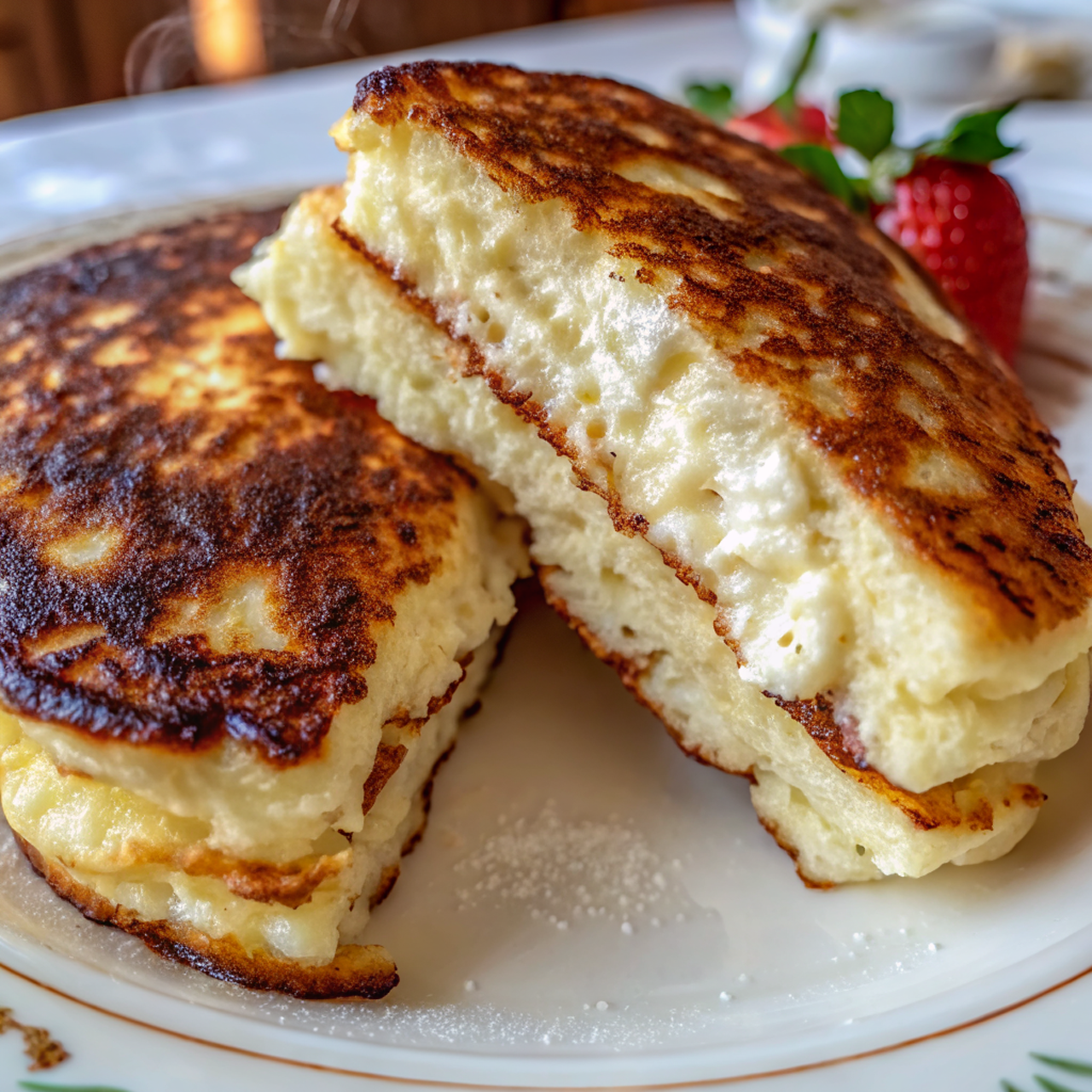
These cottage cheese pancakes prove that nutritious breakfast choices don’t require sacrificing flavor or satisfaction. With 25 grams of protein per serving, fluffy texture that rivals any diner classic, and versatility that accommodates countless variations, they’ve earned their place as a morning staple. The simple technique transforms basic ingredients into something extraordinary, while the quick preparation fits seamlessly into busy schedules. Whether you’re fueling up for an active day, supporting fitness goals, or simply craving a delicious breakfast that happens to be nutritious, these pancakes deliver on every level.
Made these cottage cheese pancakes? Drop your twist in the comments, rate the recipe, and tag us on facebook, instagram with #erinrecipes — we might feature your creation!
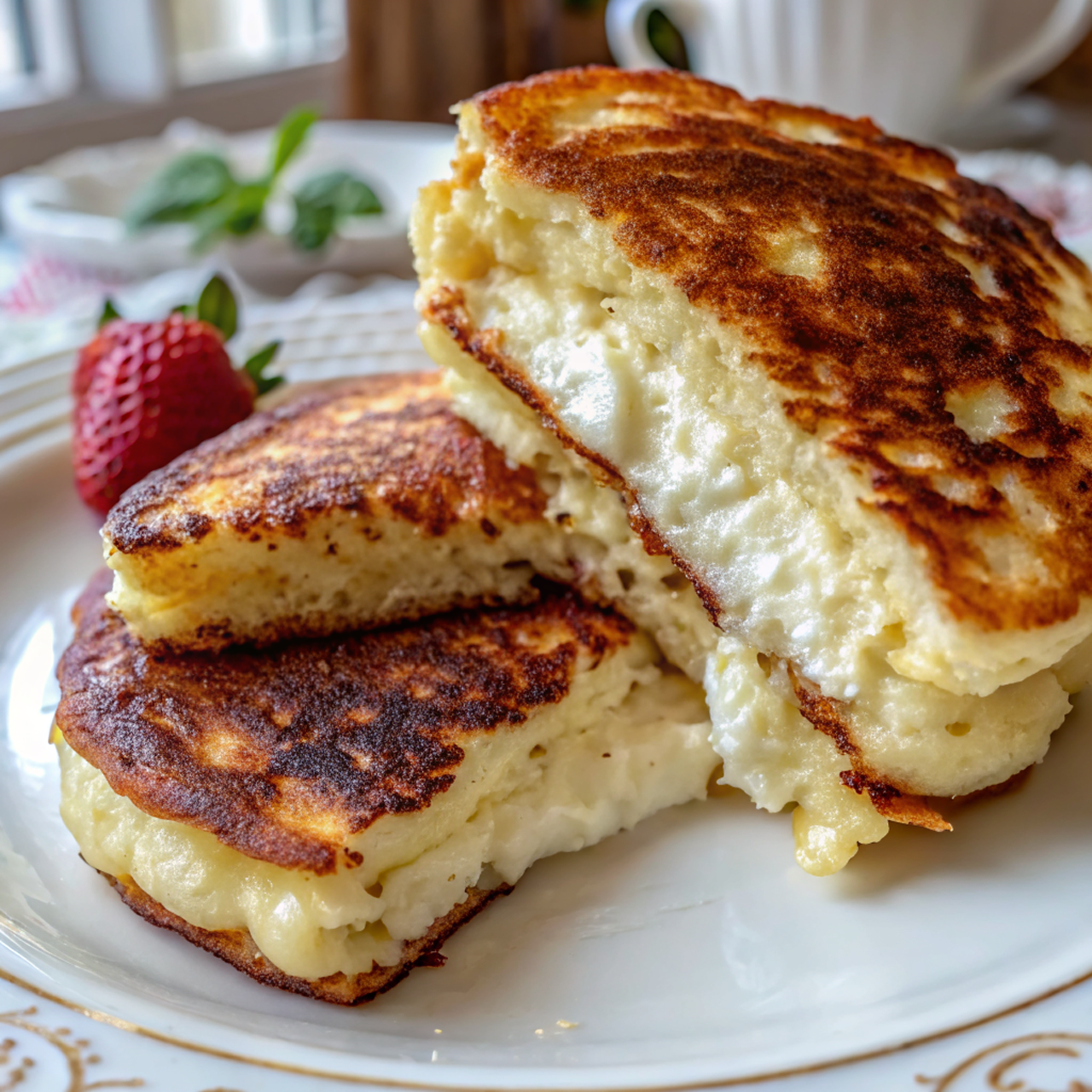
Cottage Cheese Pancakes: Fluffy Easy Breakfast Recipe
Ingredients
Instructions
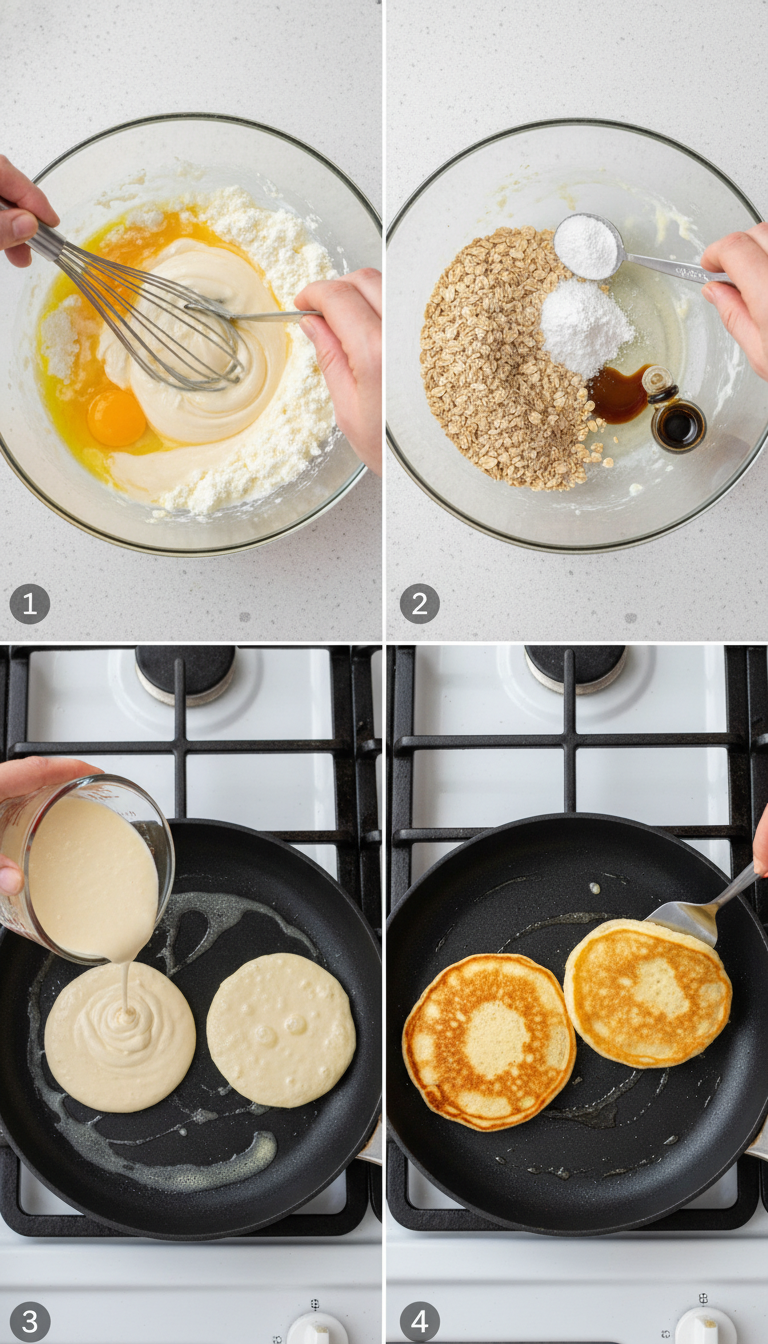
- Combine Wet Ingredients: In a mixing bowl, add the cottage cheese, crack the eggs, and whisk together until the mixture looks smooth and slightly glossy. The eggs act as a binder, while the cottage cheese provides moisture and a creamy base.
- Add Dry Ingredients: Sprinkle the oats, baking powder, vanilla extract, and a pinch of salt over the wet mixture. Stir gently with the whisk until everything is just incorporated. Over-mixing can make the batter tough, so aim for a few short strokes.
- Heat the Skillet: Place a non-stick skillet over medium heat. Add a small amount of butter or oil—just enough to coat the surface lightly. When a few bubbles form in the butter, the pan is ready.
- Cook the Pancakes: Pour about 1/4 cup of batter for each pancake. Cook until bubbles appear on the surface and the edges look set, roughly 2-3 minutes. Flip carefully with a spatula and cook the other side until golden brown, another 2-3 minutes.
- Keep Warm: Transfer cooked pancakes to a warm plate and cover loosely with foil while you finish the remaining batter. This keeps them fluffy and prevents them from drying out.