Introduction
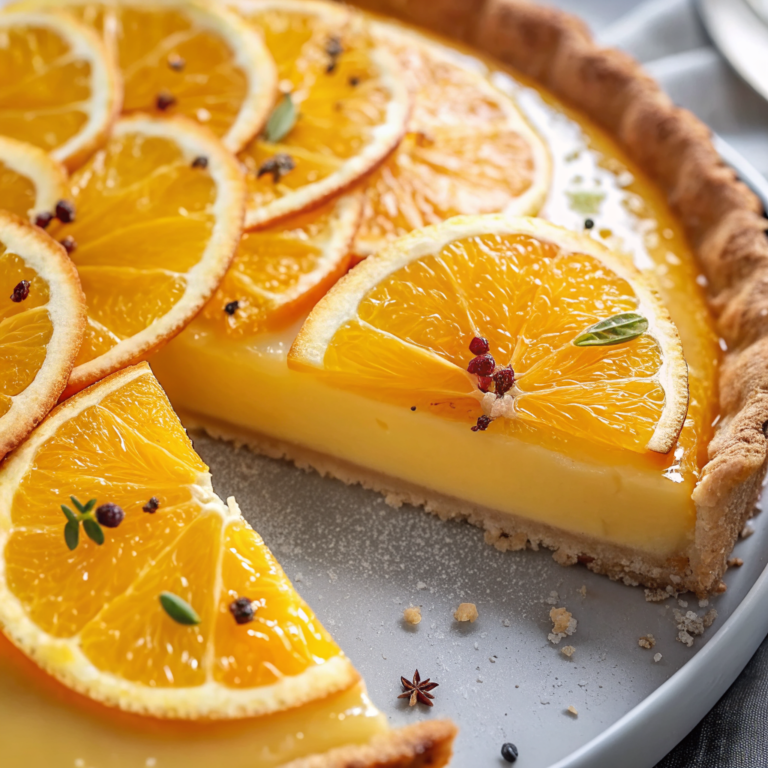
Did you know that food presentation can increase perceived flavor by up to 60% according to culinary psychology research? When it comes to creating visually stunning desserts, the French Orange Tart stands as a masterpiece of both taste and aesthetic appeal. This elegant tart transforms simple ingredients into a radiant centerpiece that captivates the eye before delighting the palate. The vibrant orange hues create a warm, inviting glow that speaks to the soul, while the silky smooth crémeux filling provides a luxurious contrast against the golden pastry shell. Whether you’re hosting an intimate dinner party or celebrating a special occasion, this French Orange Tart will elevate your dessert table with its sophisticated charm and irresistible visual drama. In this comprehensive guide, you’ll master the art of creating this stunning dessert while learning professional plating techniques that will make your creation look like it came straight from a Parisian patisserie.
Why French Orange Tart Matters
The visual presentation of a French Orange Tart transforms an ordinary dessert experience into something extraordinary. The interplay between the rich, burnished pastry and the glossy orange filling creates depth and dimension that draws the eye inward. This classic French dessert showcases how color theory works in culinary arts – the warm orange tones against the golden crust create a harmonious palette that feels both comforting and elegant. For those seeking inspiration for citrus desserts, you might enjoy exploring our Classic British Bakewell Tart or discovering creative Cream Cheese Tart variations. External resources like How To Make Tart Shells (Sweet And Savoury) – El Mundo Eats and 94 Orange desserts ideas – Pinterest offer additional techniques for perfecting your tart-making skills.
Ingredients
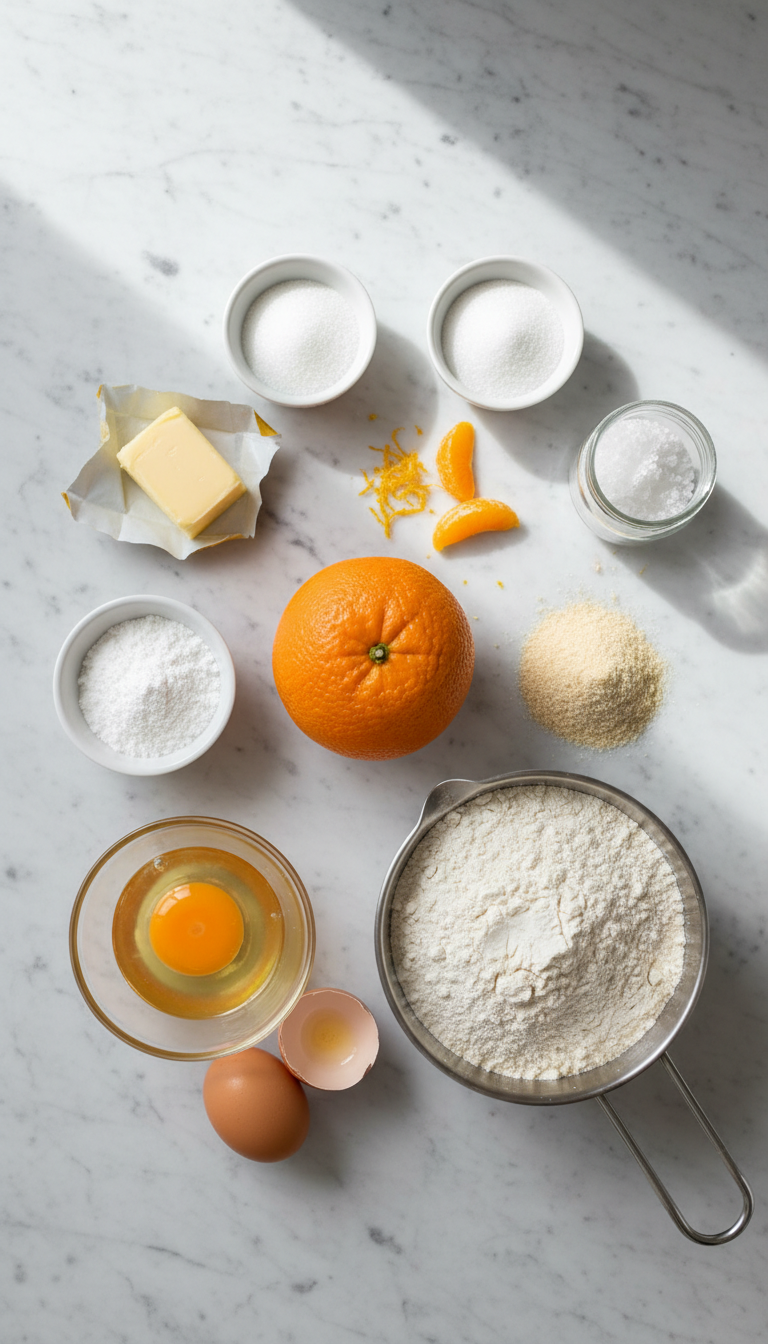
|
Ingredient Spotlight
The fresh orange juice and zest serve as the star performers in this visual symphony, providing not only intense flavor but also that coveted vibrant orange color that makes the tart so photogenic. The almond meal in the pastry adds a subtle golden undertone and creates tiny textural points that catch light beautifully when sliced. The soft butter in both components ensures smooth integration and contributes to the tart’s luxurious mouthfeel and glossy appearance. Cornstarch acts as our secret weapon for achieving that perfect, camera-ready consistency – thick enough to hold its shape when sliced, yet smooth enough to create an elegant, mirror-like surface.
Timing
|
Instructions
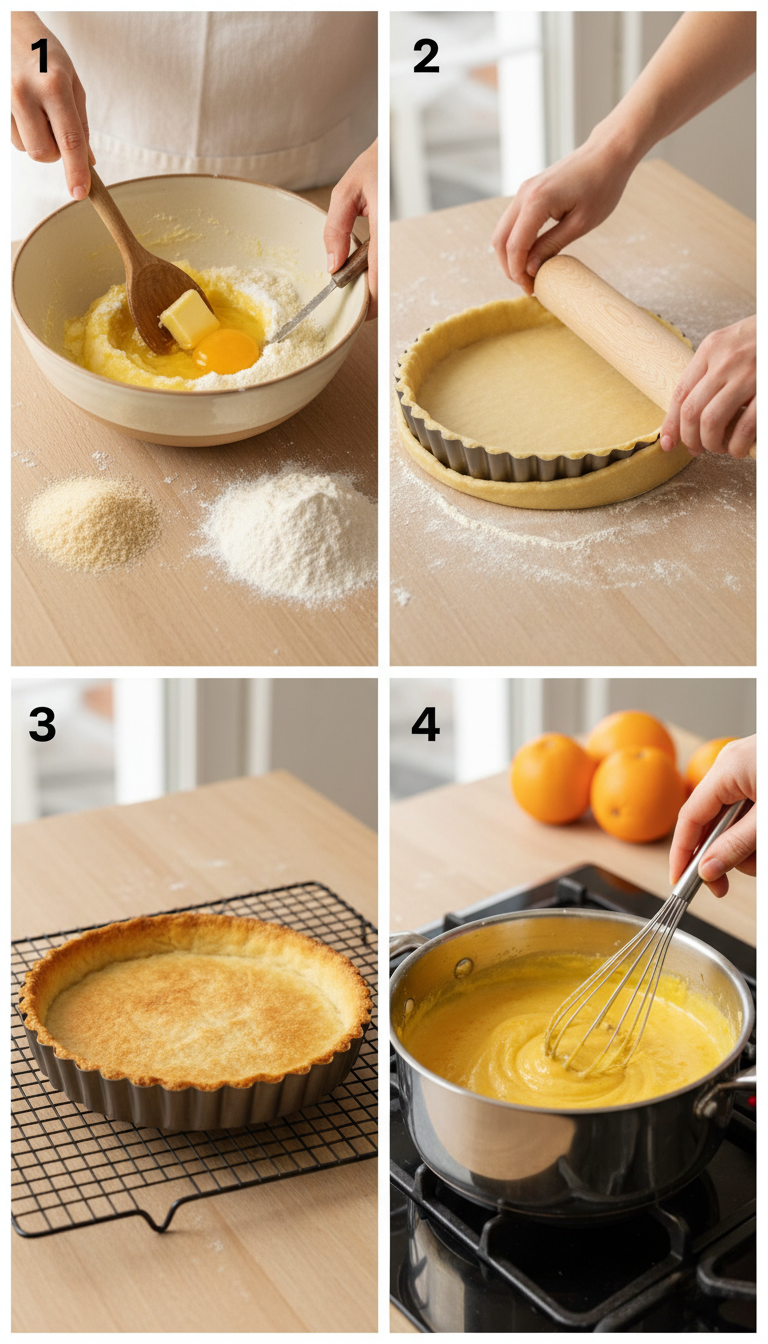
|
Behind the Recipe
The inspiration for this French Orange Tart came from observing how sunlight filters through citrus groves in Provence, creating layers of warm golden and vibrant orange tones. The visual design mimics this natural color palette – the burnished pastry represents the sun-warmed earth, while the glossy orange filling captures the essence of ripe citrus bathed in Mediterranean light. The geometric precision of a perfectly sliced tart mirrors the ordered rows of orange trees, creating a dessert that tells a visual story of French countryside elegance.
Tips & Tricks for Perfect French Orange Tart
|
Recipe Variations & Substitutions
High Contrast Plating Option: Create visual drama by dusting the rim of white plates with cocoa powder before placing your tart slice – the dark border intensifies the orange colors. Textural Twist: Garnish with candied orange peel strips for added visual interest and textural contrast. Seasonal Variation: Replace oranges with blood oranges during winter months for deeper, more dramatic red-orange tones. Gluten-Free Alternative: Substitute almond flour for regular flour in the pastry for a nuttier flavor and slightly different visual texture that’s equally stunning.
Pairing Ideas
Serve your French Orange Tart on crisp white porcelain to make the orange colors pop, or choose deep navy plates for sophisticated contrast. Pair with Earl Grey tea served in delicate china cups – the bergamot complements the citrus beautifully. For non-alcoholic beverages, consider sparkling water with fresh mint sprigs, which adds a pop of green that complements the orange tones perfectly. Present alongside small glass bowls of lightly sweetened whipped cream, allowing guests to add their own dollop for personalized presentation.
Nutritional Information
Per slice (8 servings): Approximately 320 calories, 18g fat, 36g carbohydrates, 6g protein. Rich in vitamin C from fresh oranges, and provides calcium from dairy ingredients. The almond meal contributes healthy fats and protein.
Leftover & Reuse Ideas
Transform leftover tart into elegant individual parfaits by layering crumbled pastry and filling in clear glasses. Create tart-inspired French toast by using day-old pastry pieces soaked in orange-scented custard. The orange crémeux makes an excellent filling for cream puffs or layer cake. Pastry scraps can be re-rolled and cut into decorative shapes, then baked as elegant cookies to serve alongside fresh fruit.
Serving Suggestions
Present your French Orange Tart as the centerpiece of your dessert table, elevated on a glass or marble cake stand to catch and reflect light. Garnish each slice with a delicate curl of orange zest placed asymmetrically for modern elegance. Create height variation by serving some slices on individual dessert plates while keeping the remaining tart whole on its stand. Use small silver or gold dessert forks to enhance the sophisticated presentation. Consider adding a few fresh orange segments arranged artfully around the base of the cake stand, along with a sprig of fresh mint for color contrast. The key is to let the tart’s natural beauty shine while adding just enough styling elements to create visual interest without overwhelming the star of the show.
Storage & Reheating Tips
Store your French Orange Tart covered in the refrigerator for up to 3 days. The filling actually improves in flavor and texture after the first day as the flavors meld. For best presentation, bring to room temperature 15 minutes before serving to restore the filling’s glossy appearance. Never freeze the completed tart as it will compromise the smooth texture of the crémeux. The pastry shell can be made up to 2 days ahead and stored at room temperature, covered with plastic wrap.
Common Mistakes to Avoid
Avoid overheating the orange filling, which can cause it to curdle and lose its smooth, photogenic appearance – always use medium heat and constant stirring. Don’t skip the chilling time, as insufficiently set filling will create messy, unprofessional slices that lack visual impact. Prevent pastry shrinkage by not overworking the dough and ensuring proper blind baking technique. Using cold butter in the crémeux can cause the mixture to seize, resulting in a grainy texture rather than the desired silky smoothness. Finally, resist the urge to slice too soon – patience ensures those clean, Instagram-worthy cuts that showcase your skill.
- Can I make French Orange Tart ahead of time?
- Yes! This tart actually benefits from being made a day ahead, allowing the flavors to develop and the filling to achieve perfect slicing consistency.
- Is French Orange Tart suitable for special dietary needs?
- The tart contains gluten, dairy, and eggs. However, you can create gluten-free versions using almond flour, and dairy-free versions using plant-based butter alternatives.
- How do I achieve the glossy finish on my French Orange Tart?
- The key is proper temperature control when making the crémeux and adding butter off the heat. Straining the mixture also helps achieve that mirror-like surface.
- What’s the secret to clean slices in French Orange Tart?
- Use a sharp knife dipped in warm water between cuts, and ensure the tart is properly chilled for at least 2 hours before slicing.
- Can I use different citrus fruits in this French Orange Tart recipe?
- Absolutely! Lemon, lime, or grapefruit work beautifully, though you may need to adjust sugar levels depending on the fruit’s natural tartness.
FAQs
Conclusion
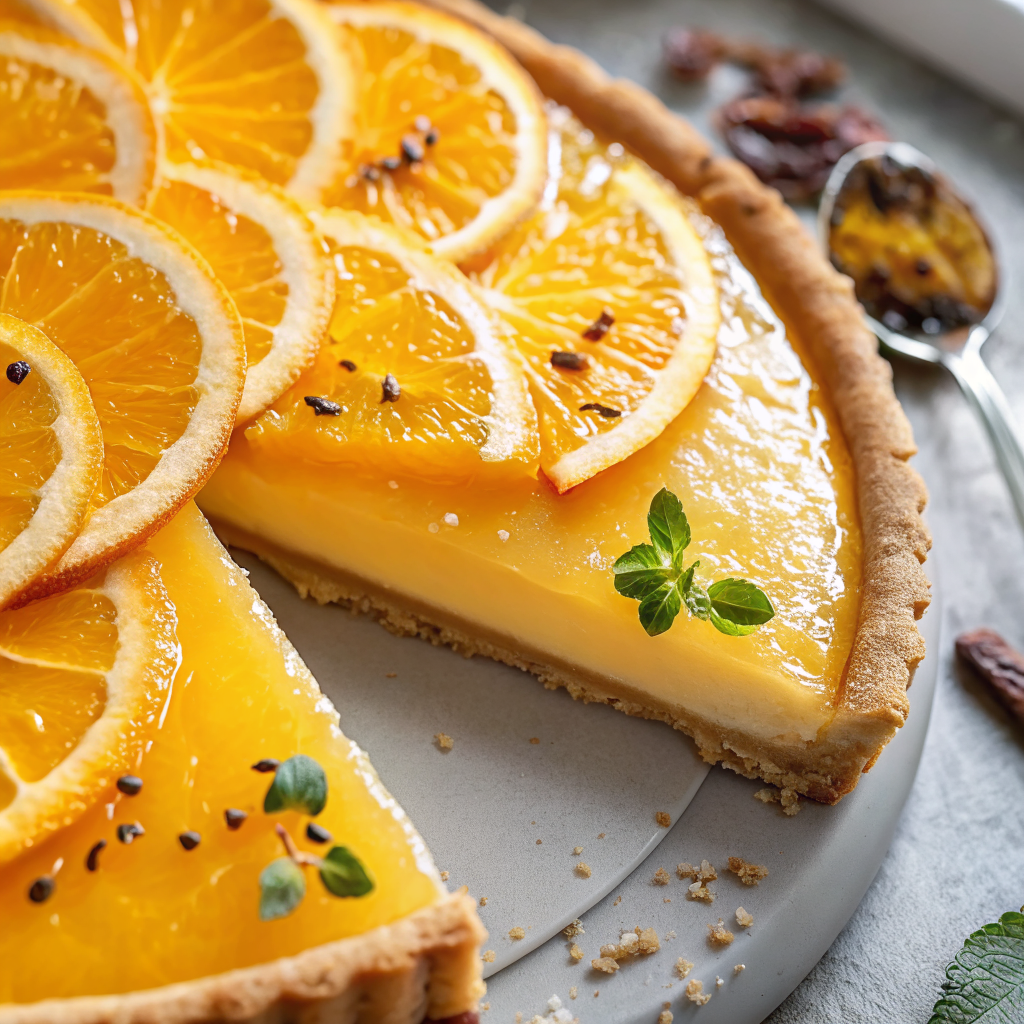
Creating a visually stunning French Orange Tart is an art form that combines technical skill with aesthetic sensibility. From the golden pastry shell to the glossy orange crémeux, every element contributes to a dessert that’s as beautiful as it is delicious. The techniques you’ve learned – from achieving the perfect color balance to mastering professional plating – will elevate not just this tart but all your future dessert presentations. Remember that the key to exceptional visual appeal lies in attention to detail, patience during the setting process, and confidence in your artistic vision.
Made these French Orange Tart? Drop your twist in the comments, rate the recipe, and tag us on facebook, instagram with #erinrecipes — we might feature your creation!
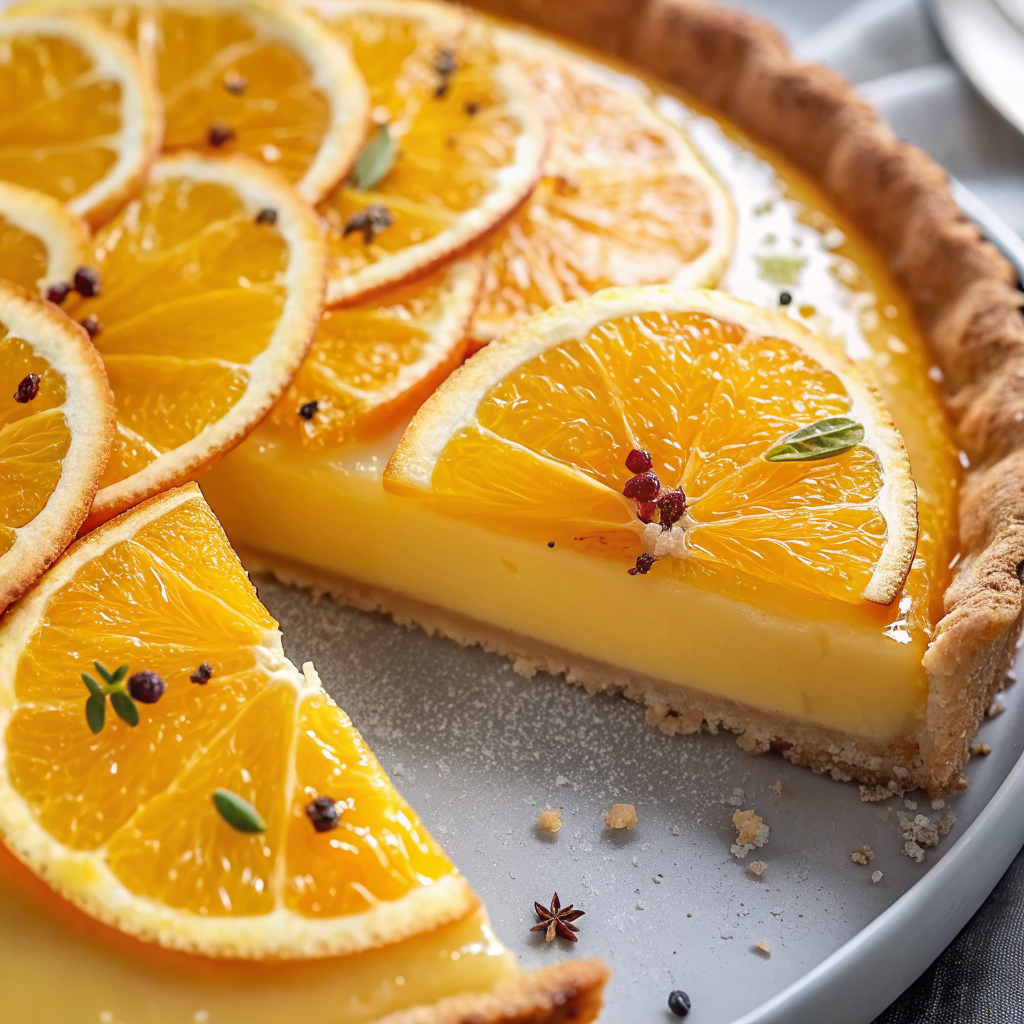
French Orange Tart: Stunning Citrus Dessert Recipe
Ingredients
Instructions
- Preheat Oven: Preheat oven to 180°C (350°F).
- Prepare Pastry Dough: Cream together soft butter and powdered sugar until fluffy. Add egg, almond meal, flour, and salt; mix to form dough.
- Roll and Place Dough: Roll out the dough on a floured surface, place in a greased tart pan, and trim excess.
- Blind Bake Crust: Blind bake with parchment paper and baking beans for 15 minutes. Remove and bake for another 10 minutes until golden brown.
- Prepare Orange Cream Filling: For the filling, combine orange juice, zest, eggs, caster sugar, and cornstarch in a saucepan over medium heat; whisk until thickened. Stir in soft butter off heat.
- Fill and Chill Tart: Pour filling into crust while warm; cool at room temperature before refrigerating for at least two hours.
- Serve and Enjoy: Serve chilled and enjoy!