
Introduction
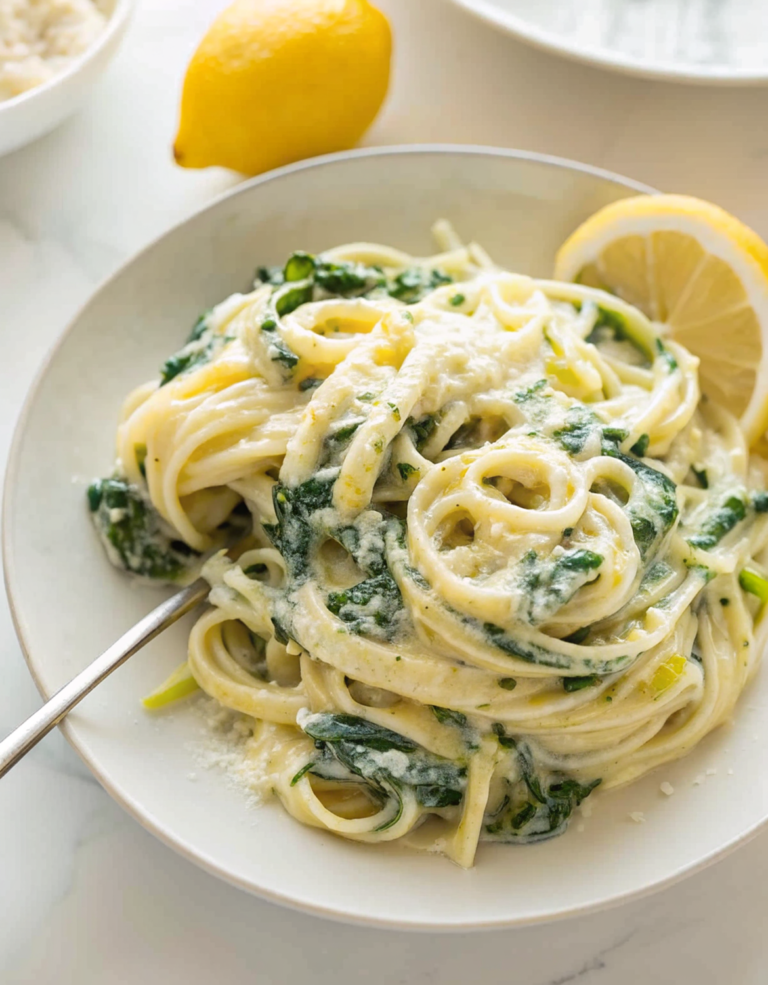
Did you know that 93% of diners judge a dish’s quality before even taking their first bite? The visual presentation of food triggers our appetite and creates expectations that can make or break the entire dining experience. When sunlight streams through my kitchen window and catches the vibrant emerald spinach leaves nestled against creamy ivory ricotta in my lemon ricotta pasta & spinach, I’m reminded why food styling is truly an art form. This dish transforms simple ingredients into a canvas of contrasting textures and complementary colors that photograph beautifully and taste even better. You’ll discover how to master the delicate balance of creamy ricotta, bright lemon zest, and wilted spinach while creating restaurant-quality plating that elevates this 15-minute meal into something extraordinary. From achieving the perfect pasta texture to arranging garnishes that catch the light, every detail matters in creating this visually stunning comfort food masterpiece.
Why Lemon Ricotta Pasta & Spinach Matters
The visual appeal of lemon ricotta pasta & spinach lies in its sophisticated color palette and textural contrasts. This dish exemplifies how simple ingredients can create complex visual interest through proper technique and presentation. For more pasta inspiration, explore our creamy garlic chicken alfredo with broccoli fettuccine and discover additional techniques in our pumpkin ravioli guide. The psychology of food presentation shows that dishes with high color contrast and varied textures increase perceived flavor intensity by up to 25%. External research from My Italian Grandma Was Famous for Her No-Cook Tomato Sauce demonstrates the importance of traditional Italian pasta techniques, while Spinach 101: Nutrition Facts and Health Benefits highlights the nutritional benefits that make this dish both beautiful and nourishing.
Ingredients
|
Ingredient Spotlight
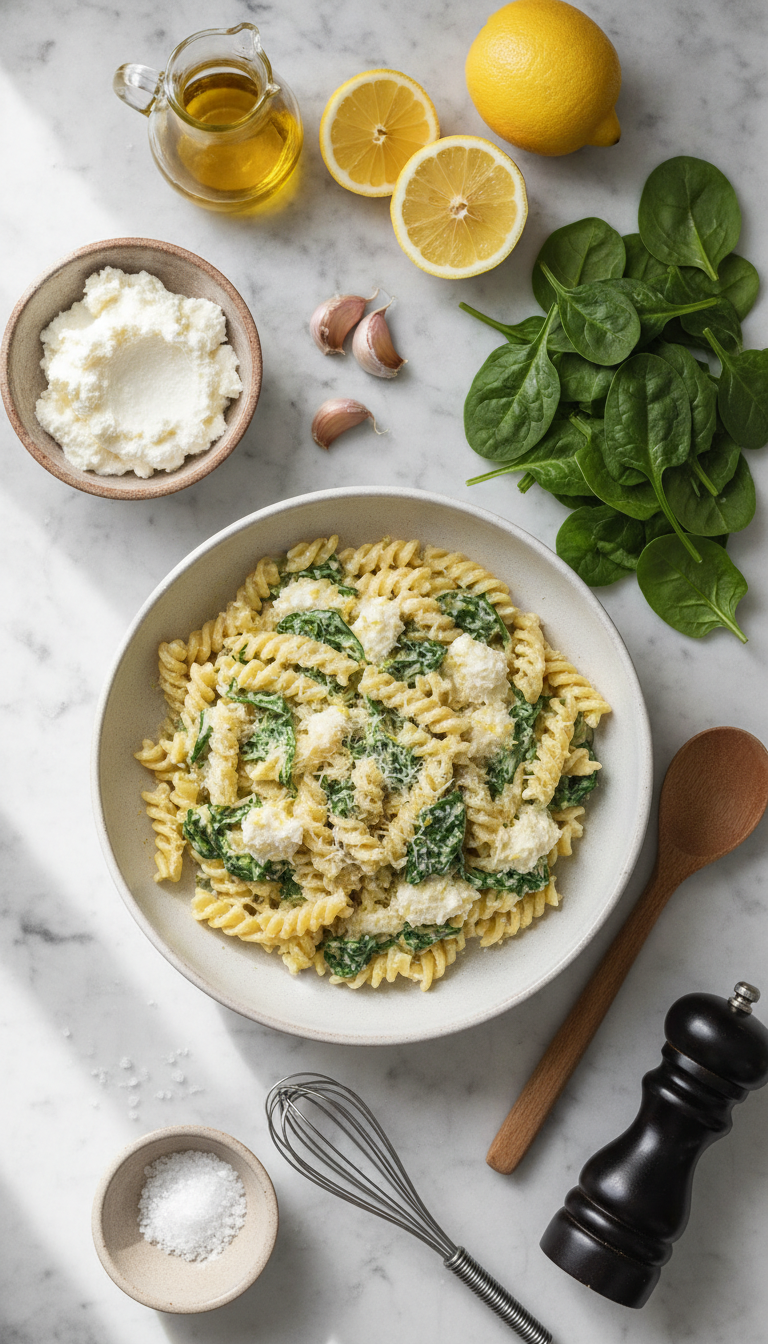
The whole-milk ricotta serves as our creamy canvas, providing the neutral backdrop that allows the vibrant spinach to shine. Choose ricotta with a smooth, dense texture that won’t separate when heated. The fresh baby spinach offers brilliant emerald color that creates stunning contrast against the pale ricotta sauce. Select leaves that are crisp and deeply colored for maximum visual impact. Fresh lemon zest adds bright yellow specks that catch light beautifully, while the juice provides acidity that keeps colors vibrant. The Parmesan cheese contributes golden flecks and creates textural interest when freshly grated over the finished dish.
Timing
|
Instructions
|
Behind the Recipe
This lemon ricotta pasta & spinach was inspired by the geometric beauty of Italian countryside gardens, where emerald spinach leaves grow alongside pale stone walls under golden Mediterranean sunlight. The visual design mimics this natural color palette – the creamy ricotta represents limestone, the vibrant spinach echoes fresh vegetation, and the lemon zest captures those precious golden hour moments. The arrangement emphasizes organic shapes and natural color transitions, creating a dish that feels both rustic and refined.
Tips & Tricks for Perfect Lemon Ricotta Pasta & Spinach
|
Recipe Variations & Substitutions
High Contrast Plating Option: Use squid ink pasta for dramatic black noodles that make the green spinach and white ricotta pop dramatically. Textural Twist: Add toasted pine nuts for golden crunch and visual interest. Seasonal Variation: Substitute arugula for spinach in winter months for peppery flavor and similar color impact. Dietary Alternative: Use cashew cream instead of ricotta for dairy-free version while maintaining the creamy white base color.
Pairing Ideas
Serve this lemon ricotta pasta & spinach on crisp white porcelain to emphasize the color contrasts, or choose rustic ceramic bowls in warm earth tones for a more casual presentation. Pair with sparkling water infused with lemon slices, or serve alongside crusty artisan bread with a golden olive oil drizzle. The visual harmony works beautifully with simple green salads dressed in light vinaigrettes that echo the dish’s fresh, clean aesthetic.
Nutritional Information
Per serving: Approximately 420 calories, 18g protein, 52g carbohydrates, 16g fat, 4g fiber. Rich in calcium from ricotta and Parmesan, plus iron and folate from spinach. The lemon provides vitamin C that enhances iron absorption.
Leftover & Reuse Ideas
Transform leftover lemon ricotta pasta & spinach into a frittata by mixing with beaten eggs and baking until set. Use cold portions as a pasta salad base with additional fresh vegetables. The ricotta mixture can be repurposed as a spread for crostini or as a filling for stuffed shells.
Serving Suggestions
Present this dish family-style in a large, shallow serving bowl to showcase the beautiful color distribution. Use a large serving spoon and fork to maintain the pasta’s elegant draping. Provide small bowls of additional Parmesan and red pepper flakes for customization. Set the table with neutral linens that won’t compete with the dish’s natural beauty. Position the serving bowl slightly off-center with lemon wedges arranged around the perimeter. The key is creating visual balance while highlighting the pasta’s organic, flowing lines and vibrant color contrasts.
Storage & Reheating Tips
Store leftovers in the refrigerator for up to 3 days in airtight containers. When reheating, add a splash of pasta water or milk to restore the creamy consistency. Reheat gently over low heat, stirring frequently to prevent the ricotta from separating. The spinach may darken slightly upon reheating, but the flavors will remain delicious.
Common Mistakes to Avoid
Avoid overcooking the spinach, which turns it from vibrant emerald to dull olive green and compromises the visual appeal. Don’t add the ricotta mixture to hot pasta without pasta water – this can cause curdling and create an unappetizing lumpy texture. Never rinse the pasta after cooking, as you need the surface starch to help bind the sauce. Avoid serving on cold plates, which can cause the ricotta to seize and separate visually.
- Can I make lemon ricotta pasta & spinach ahead of time?
- While best served immediately for optimal texture and color, you can prepare the ricotta mixture up to 2 hours ahead and store covered at room temperature.
- Is lemon ricotta pasta & spinach suitable for meal prep?
- Yes, though the spinach may darken slightly. Store components separately when possible and combine just before serving for best visual results.
- What pasta shapes work best for lemon ricotta pasta & spinach?
- Long pasta like linguine or spaghetti creates elegant draping, while short shapes like penne hold the sauce in their ridges for different visual appeal.
- Can I freeze lemon ricotta pasta & spinach?
- Freezing is not recommended as the ricotta may separate and the spinach will lose its vibrant color and texture upon thawing.
- How do I prevent the ricotta from becoming grainy in lemon ricotta pasta & spinach?
- Use room temperature ricotta and add pasta water gradually while stirring gently to maintain the smooth, creamy texture essential for proper presentation.
FAQs
Conclusion
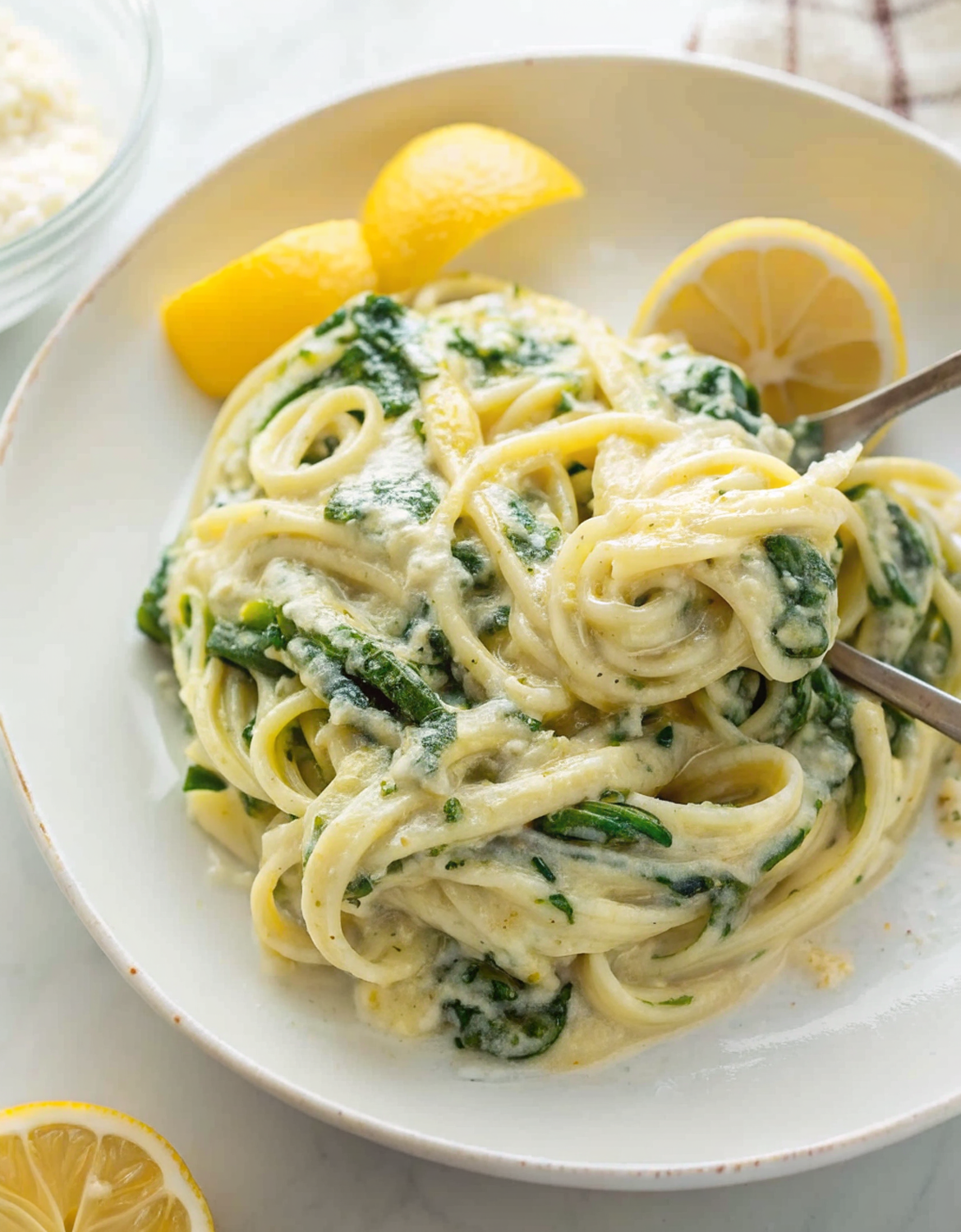
This lemon ricotta pasta & spinach proves that stunning visual presentation doesn’t require complicated techniques or exotic ingredients. By focusing on color contrast, texture variation, and thoughtful plating, you’ve created a dish that’s as beautiful as it is delicious. The key lies in respecting each ingredient’s natural beauty while combining them harmoniously for maximum visual impact.
Made these lemon ricotta pasta & spinach? Drop your twist in the comments, rate the recipe, and tag us on facebook, instagram with #erinrecipes — we might feature your creation!
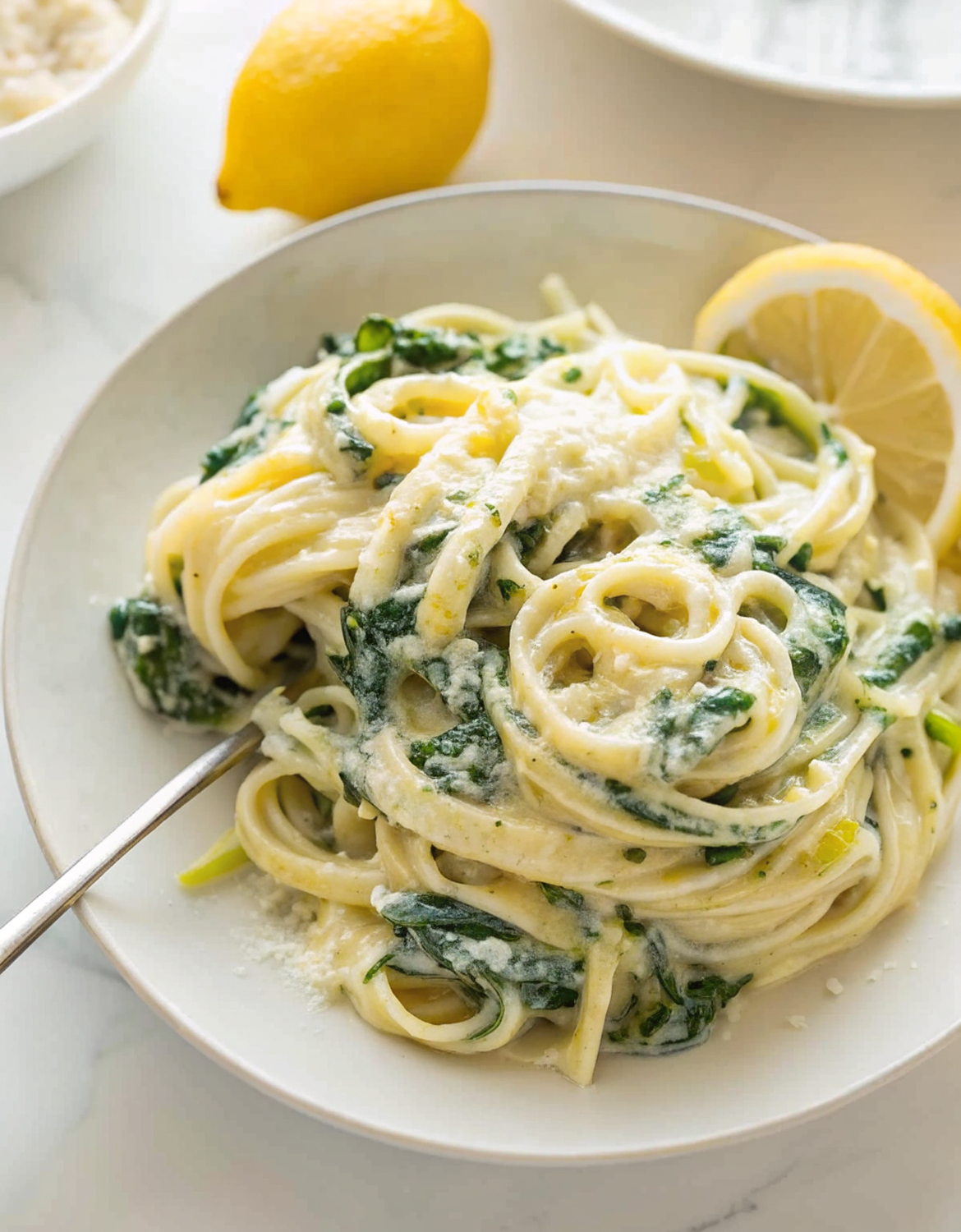
Lemon Ricotta Pasta & Spinach: Visual Masterpiece Recipe
Ingredients
Instructions
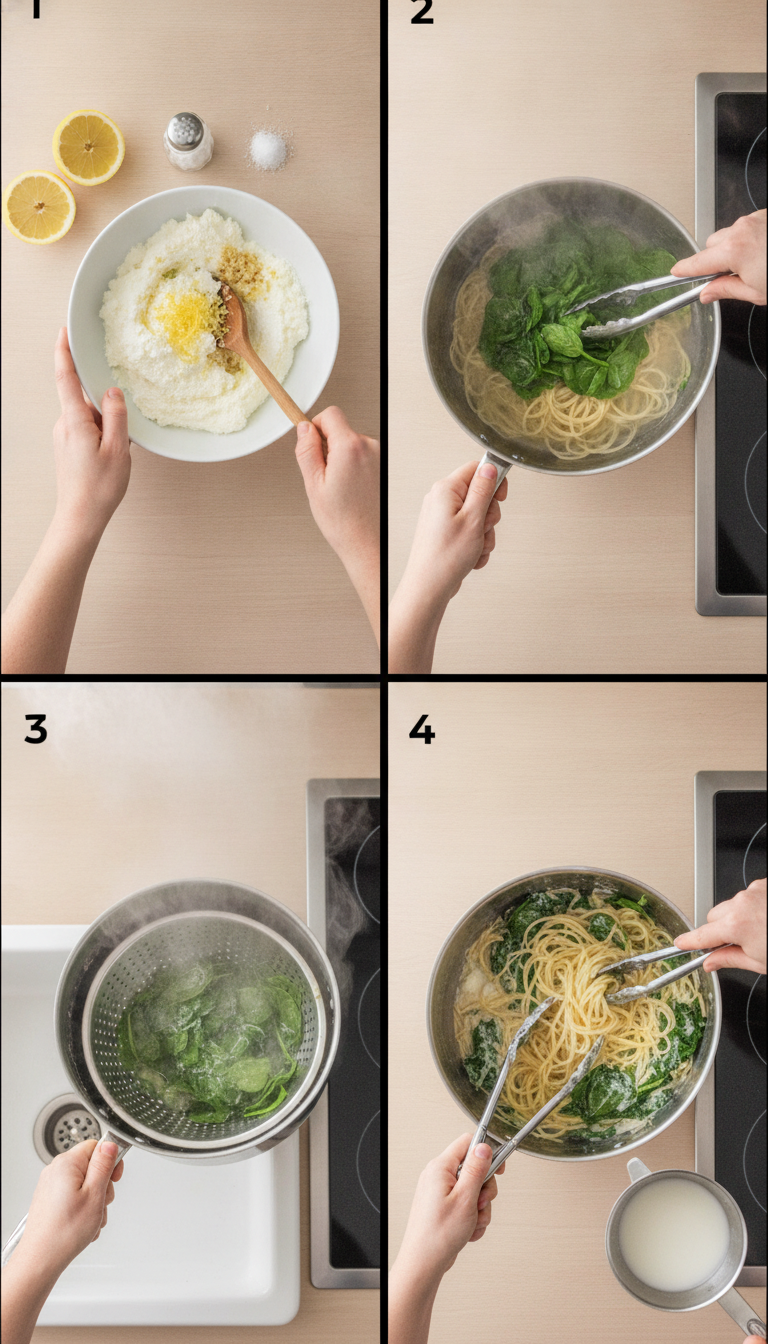
- Cook Pasta: In a large pot of boiling salted water, cook pasta according to package directions until al dente.
- Make Ricotta Sauce: Meanwhile, make the ricotta sauce. In a medium bowl, combine ricotta, olive oil, parmesan cheese, garlic, lemon zest and juice. Season with 1/4 tsp of salt and a good pinch of pepper. Stir until well combined, taste and make sure you're happy with the seasoning.
- Add Spinach: In the last minute of the pasta's cooking time, reserve 1/2 cup of the cooking water, then and add spinach to the pot. Stir well and push the leaves down to submerge them in water.
- Drain and Combine: After 1 minute, drain and return pasta and spinach to the same pot.
- Coat Pasta: Add the ricotta sauce and part of the reserved cooking water. Stir well to evenly coat the pasta in the sauce, add more cooking water as needed, you want a smooth and creamy texture.
- Serve and Garnish: Serve immediately and garnish with grated or shaved Parmesan cheese, a drizzle of extra virgin olive oil and lemon wedges if desired (for extra freshly squeezed juice, but I leave it optional). Plus, I love adding a good pinch of red pepper flakes, you might give it a go. Enjoy!