
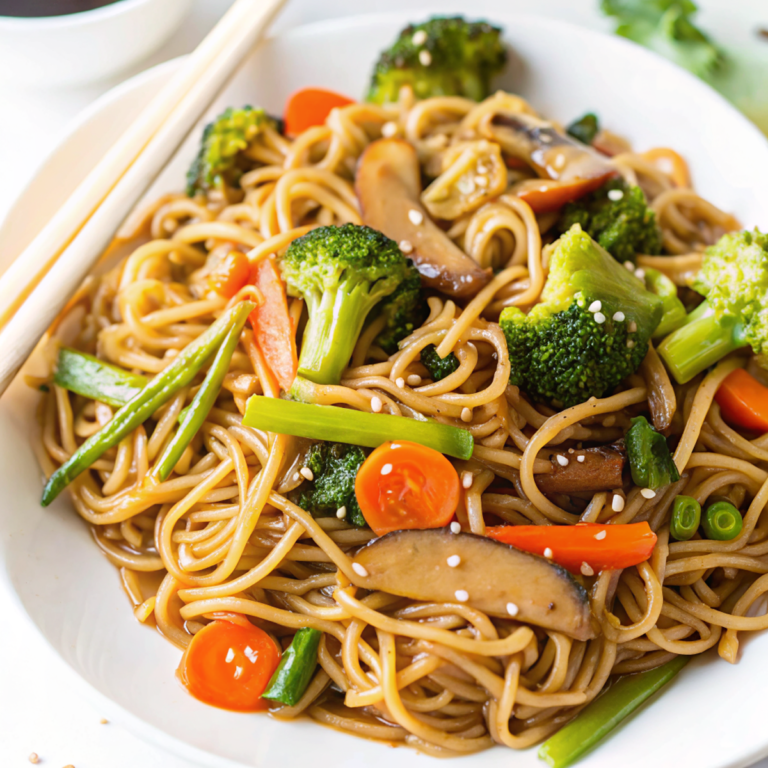
Did you know that 84% of diners eat with their eyes first, making visual presentation the most critical factor in culinary satisfaction? When it comes to crafting stunning Teriyaki Noodles (Vegan!), the interplay of jewel-toned vegetables against silky noodles creates an artful canvas that transforms a simple weeknight meal into a restaurant-worthy masterpiece. This comprehensive guide will teach you the precise techniques for achieving perfect color contrast, optimal texture balance, and professional plating that makes your Teriyaki Noodles (Vegan!) as visually captivating as they are deliciously satisfying. From the glossy mahogany teriyaki glaze to the vibrant emerald broccoli florets, every element is designed to create maximum visual impact while delivering incredible flavor.
Why Visual Presentation Matters for Teriyaki Noodles (Vegan!)
The aesthetic appeal of your Teriyaki Noodles (Vegan!) directly impacts the dining experience, with studies showing that beautifully plated dishes increase perceived flavor by up to 35%. For inspiration on creating stunning noodle presentations, explore our Beef and Broccoli Lo Mein for complementary plating techniques. The visual contrast between the rich, glossy teriyaki sauce and the vibrant vegetables creates an Instagram-worthy dish that elevates your plant-based cooking. Professional food stylists understand that the golden ratio of color distribution—approximately 60% neutral (noodles), 30% dominant color (sauce), and 10% accent colors (vegetables)—creates the most visually appealing composition. You’ll also find excellent techniques in our One Pot Spicy Garlic Almond Butter Noodles recipe. For additional noodle inspiration, check out this comprehensive stir fry noodles guide and this easy vegan ramen recipe for creative presentation ideas.
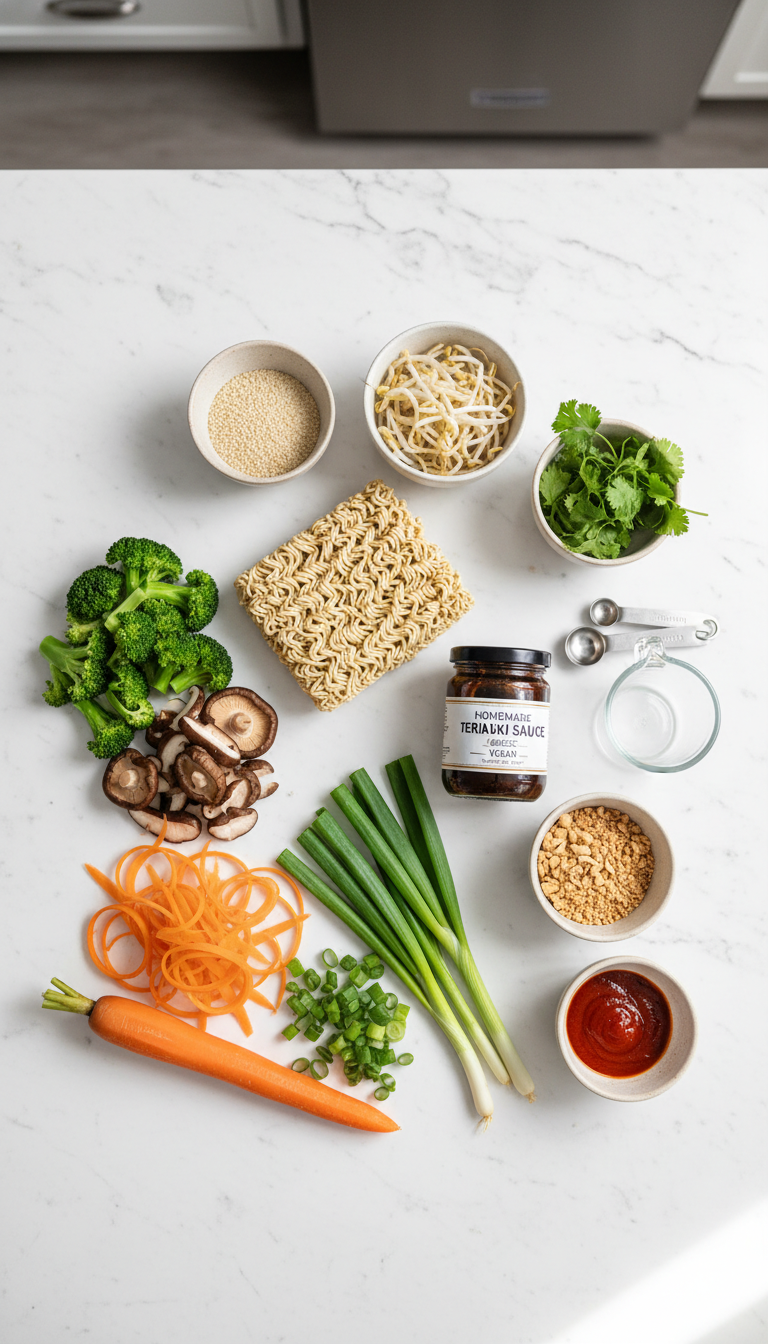
Ingredients for Picture-Perfect Teriyaki Noodles (Vegan!)
|
Ingredient Spotlight: Creating Visual Drama
Each ingredient in these Teriyaki Noodles (Vegan!) serves a specific visual purpose. The shiitake mushrooms provide essential umami depth while their rich brown color creates stunning contrast against the bright vegetables. Fresh broccoli florets maintain their vibrant emerald hue when properly cooked, while the julienned carrots add elegant orange ribbons that catch light beautifully. The teriyaki sauce acts as both flavor enhancer and visual binder, creating a glossy mahogany coating that makes every ingredient glisten under proper lighting.
Timing for Restaurant-Quality Results
|
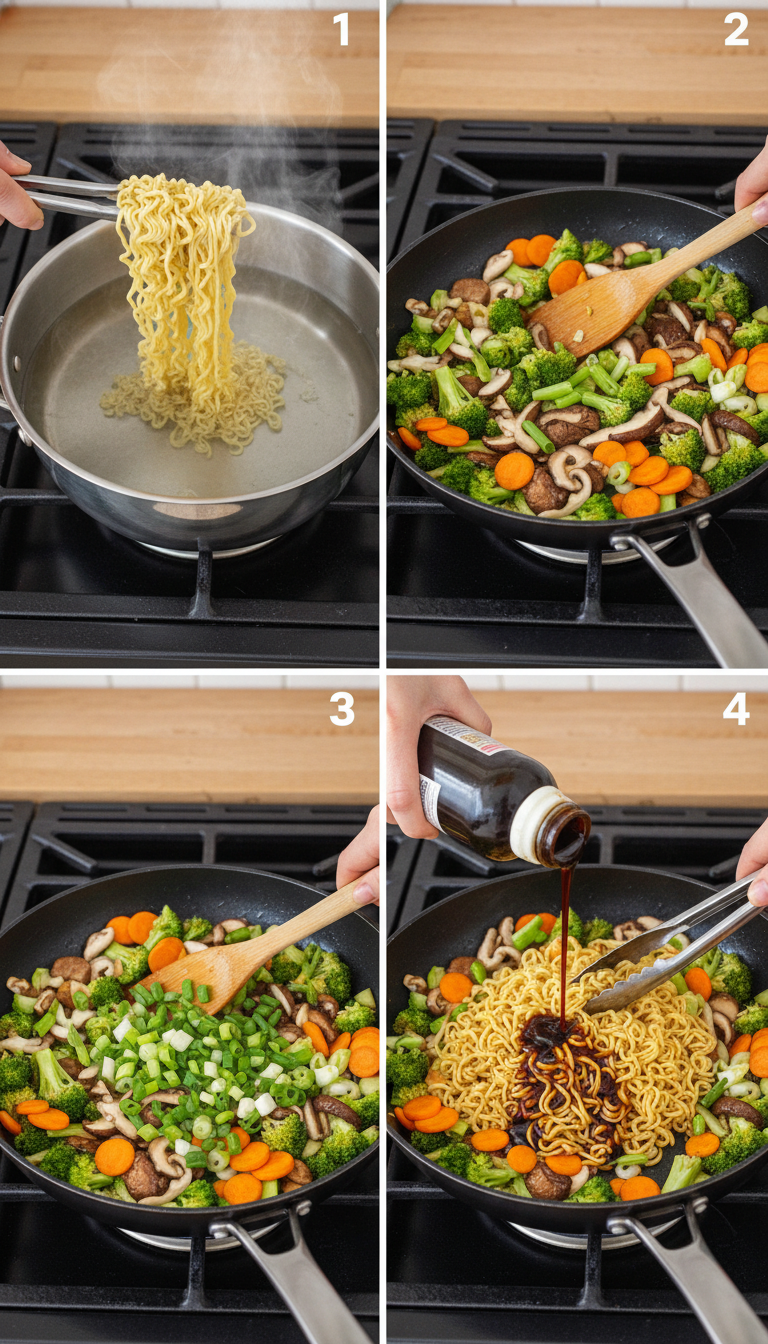
Step-by-Step Instructions for Visual Perfection
|
Behind the Recipe: Visual Inspiration
The inspiration for these Teriyaki Noodles (Vegan!) came from observing the interplay of light and shadow in traditional Japanese lacquerware. The glossy teriyaki sauce mimics the deep, reflective surface of urushi lacquer, while the arrangement of colorful vegetables follows the Japanese aesthetic principle of asymmetrical balance. The geometric contrast between the linear noodles and the organic shapes of the vegetables creates visual tension that keeps the eye engaged, much like a carefully composed photograph.
Tips & Tricks for Perfect Teriyaki Noodles (Vegan!)
|
Recipe Variations & Substitutions
High Contrast Plating Option: Serve over white rice instead of noodles to create dramatic color contrast with the dark teriyaki sauce. Textural Twist: Add crispy tofu cubes for golden-brown protein and additional texture layers. Seasonal Variation: Substitute snap peas and bell peppers in spring for different color palettes. Gluten-Free Adaptation: Use rice noodles or shirataki noodles with gluten-free tamari-based teriyaki sauce for dietary flexibility without compromising visual appeal.
Pairing Ideas for Complete Visual Harmony
Serve these Teriyaki Noodles (Vegan!) in deep, dark bowls to maximize color contrast and make the vibrant vegetables pop. Pair with jasmine green tea in clear glass cups to complement the Asian-inspired aesthetic. For side dishes, consider cucumber salad with rice vinegar dressing served in small white ceramic bowls, or edamame in traditional wooden serving dishes. The key is maintaining the clean, minimalist presentation that allows the noodles to be the visual star.
Nutritional Information
Per serving: Approximately 380 calories, 8g protein, 75g carbohydrates, 6g fiber, 4g fat. Rich in vitamin C from broccoli, beta-carotene from carrots, and B vitamins from shiitake mushrooms. The plant-based ingredients provide essential minerals including potassium, folate, and antioxidants.
Leftover & Reuse Ideas
Transform leftover Teriyaki Noodles (Vegan!) into a stunning cold salad by chilling overnight and serving with additional fresh herbs and a splash of rice vinegar. Use as filling for spring rolls with fresh lettuce and herbs. Create a breakfast hash by adding scrambled tofu and serving in a cast-iron skillet for rustic presentation. The noodles also work beautifully in bento boxes when arranged in separate compartments with fresh garnishes.
Serving Suggestions: Maximizing Visual Impact
Present these Teriyaki Noodles (Vegan!) in warmed bowls to maintain temperature and enhance the glossy sauce appearance. Create height by using tongs to twirl noodles into neat nests, then arrange vegetables in color-coordinated clusters around the perimeter. Drizzle extra teriyaki sauce in artistic patterns around the bowl rim. Garnish with precisely placed sesame seeds, a few cilantro leaves, and thin carrot julienne arranged like pickup sticks for restaurant-quality presentation. Serve with chopsticks positioned at a 45-degree angle for authentic styling.
Storage & Reheating Tips
Store leftover Teriyaki Noodles (Vegan!) in airtight containers in the refrigerator for up to 3 days. To maintain optimal texture when reheating, add 2 tablespoons of water or vegetable broth and heat gently in a covered pan over medium-low heat, stirring frequently. Avoid microwave reheating as it can make noodles mushy and dull the vegetable colors. For best results, refresh with a splash of fresh teriyaki sauce and new garnishes when serving reheated portions.
Common Mistakes to Avoid
The most frequent visual pitfall is overcooking vegetables, which causes color dulling and mushy texture. Avoid this by maintaining high heat and watching for the moment when vegetables become bright and glossy—this indicates perfect doneness. Never add sauce too early as it can burn and become bitter. Overloading the pan prevents proper searing and leads to steamed, pale vegetables. Finally, avoid serving in cold bowls as this causes the teriyaki glaze to lose its lustrous appearance and the noodles to cool too quickly.
- Are Teriyaki Noodles (Vegan!) suitable for meal prep?
- Yes, these Teriyaki Noodles (Vegan!) work excellently for meal prep when stored properly. Keep components separate until serving to maintain optimal texture and color vibrancy.
- Can I make Teriyaki Noodles (Vegan!) gluten-free?
- Absolutely! Substitute rice noodles for wheat ramen and ensure your teriyaki sauce uses gluten-free tamari instead of soy sauce for perfect Teriyaki Noodles (Vegan!).
- How do I prevent my Teriyaki Noodles (Vegan!) from becoming soggy?
- Cook noodles al dente, rinse with cold water immediately, and add sauce only at the very end of cooking to maintain texture in your Teriyaki Noodles (Vegan!).
- What’s the secret to restaurant-quality Teriyaki Noodles (Vegan!)?
- High heat cooking, proper timing, and using fresh ingredients are key to achieving professional-looking Teriyaki Noodles (Vegan!) with vibrant colors and perfect texture.
- Can I add protein to my Teriyaki Noodles (Vegan!)?
- Yes! Crispy tofu, tempeh, or edamame work beautifully in Teriyaki Noodles (Vegan!) while maintaining the plant-based integrity and adding textural contrast.
Frequently Asked Questions
Conclusion
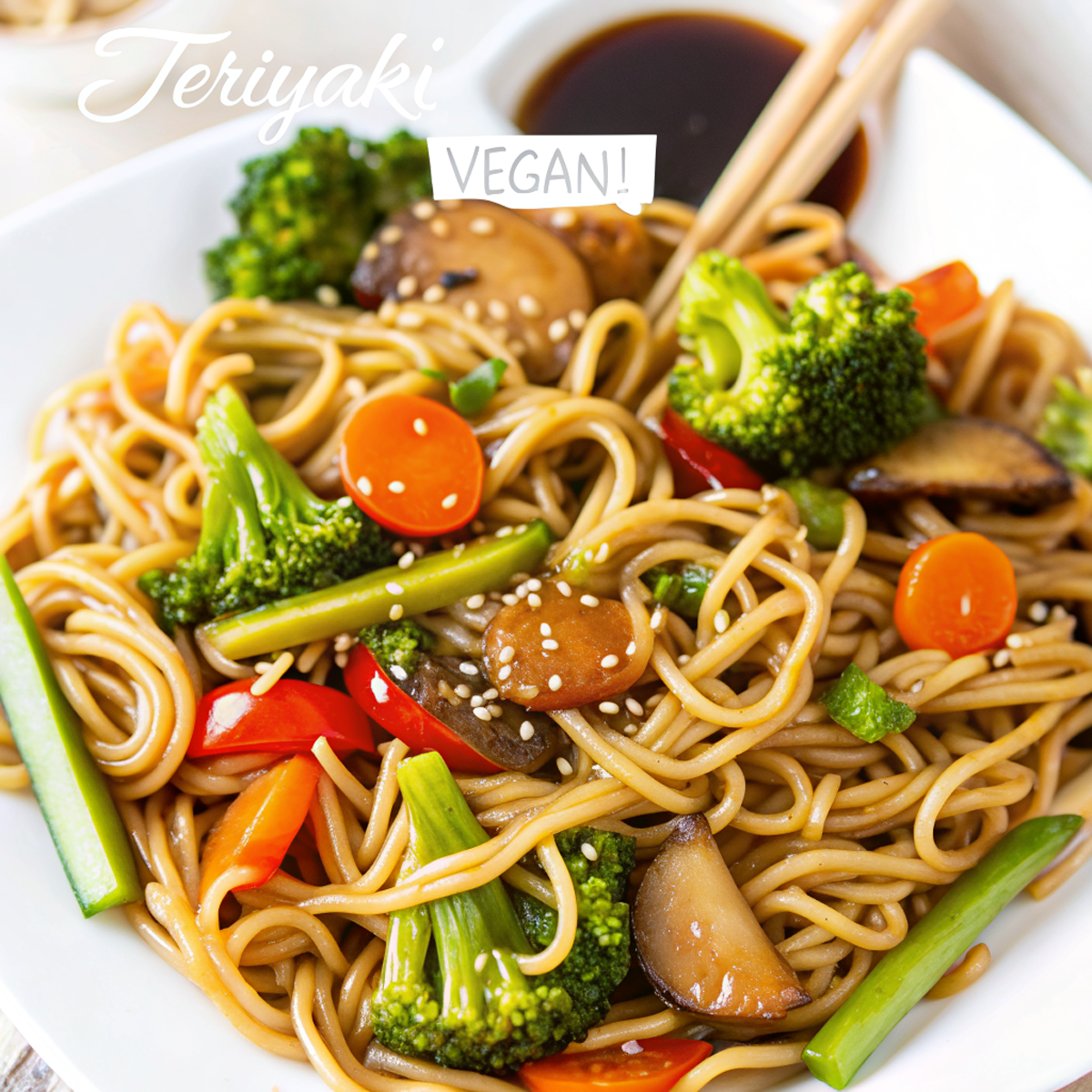
These Teriyaki Noodles (Vegan!) prove that plant-based cooking can be both nutritious and visually spectacular. By focusing on proper cooking techniques, color preservation, and artistic presentation, you’ll create a dish that rivals any restaurant offering. The interplay of textures, the glossy mahogany sauce, and the rainbow of fresh vegetables combine to create a meal that satisfies both the palate and the eye. Remember, great cooking is as much about visual appeal as it is about flavor—and these noodles deliver on both fronts magnificently.
Made these Teriyaki Noodles (Vegan!)? Drop your twist in the comments, rate the recipe, and tag us on facebook, instagram with #erinrecipes — we might feature your creation!
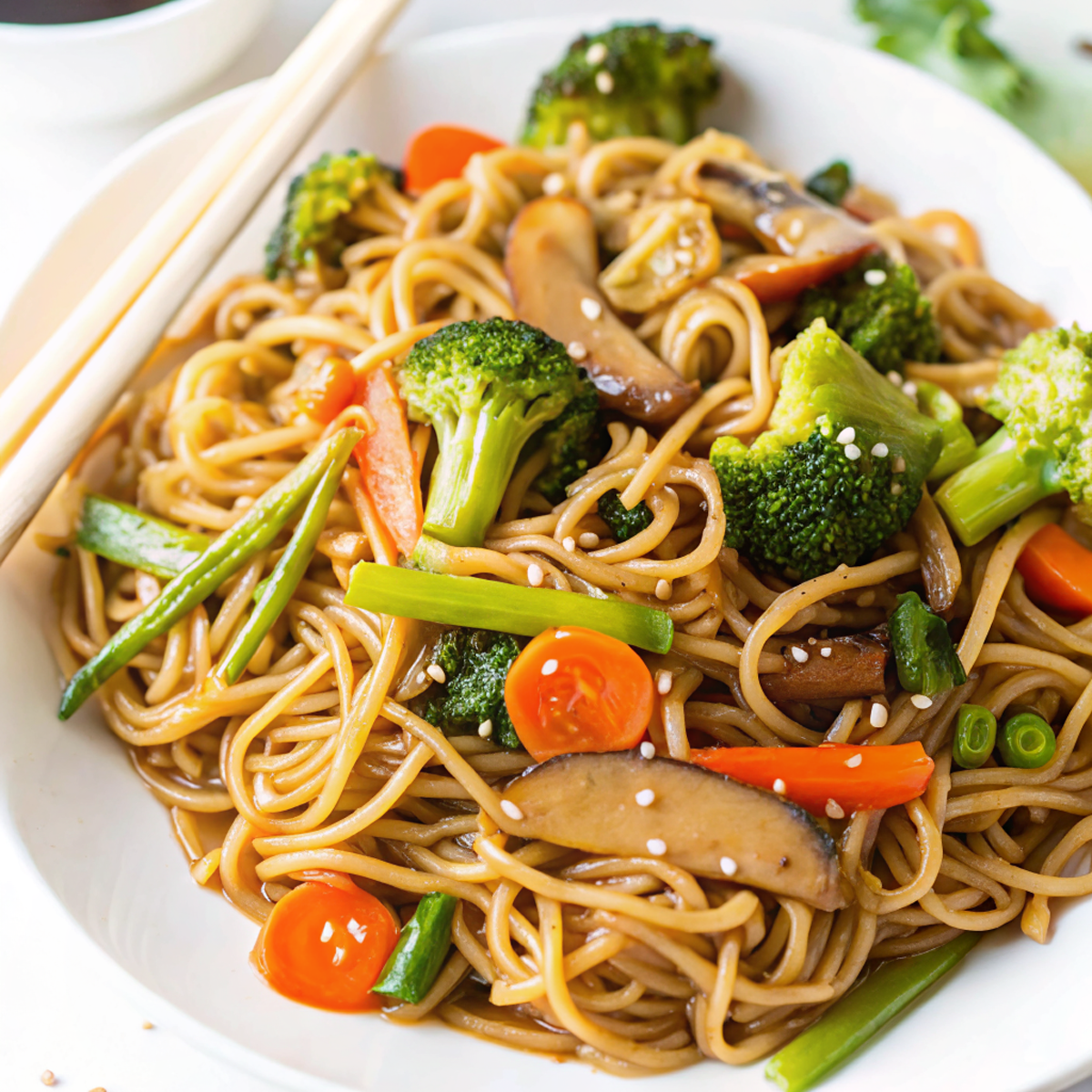
Teriyaki Noodles (Vegan!) – Vibrant Plant-Based Perfection
Ingredients
Instructions
- Prepare Teriyaki Sauce: Make the teriyaki sauce (or prepare this ahead of time).
- Cook Noodles: Cook your noodles according to package directions, leaving al dente (slightly firm, not mushy). Drain and rinse with cold water when finished.
- Prepare Vegetables: Meanwhile, cut broccoli into small florets. Slice mushrooms and carrot.
- Sauté Vegetables: In a large pan over medium-high heat, add broccoli, mushrooms, and carrot. Cover and sauté for 6-7 minutes or until crisp-tender.
- Slice Green Onions: Meanwhile, slice green onions.
- Combine Green Onions: Reduce heat to medium-low. Add green onions, stir, and cook for 2 minutes.
- Add Sauce and Noodles: Add teriyaki sauce and cooked noodles to pan. Gently toss to combine and heat for 1-2 minutes until warmed through.
- Serve with Toppings: Serve with any desired toppings.