
Introduction
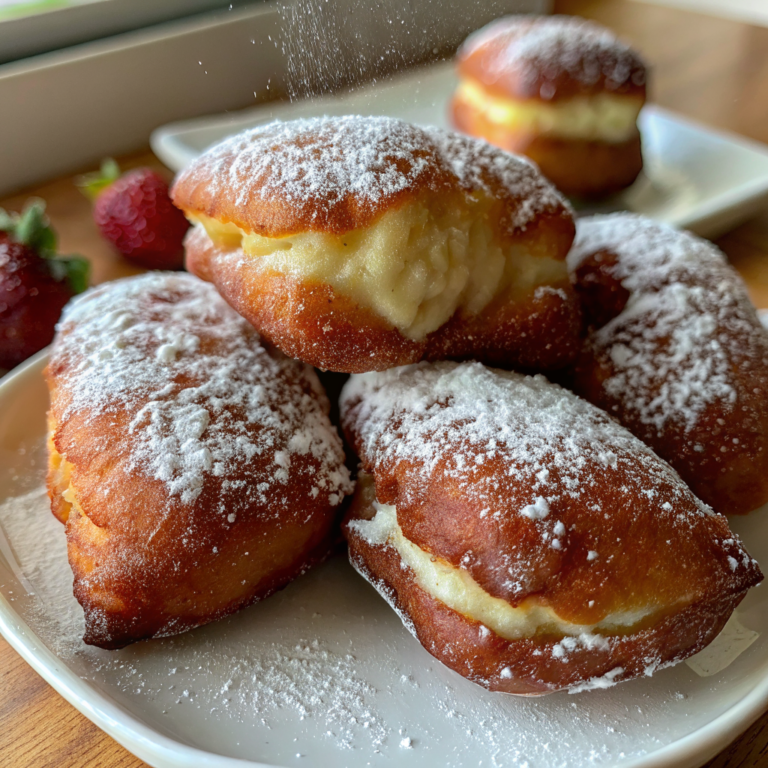
Did you know that 93% of people judge food quality based on its visual appeal before taking their first bite? This fascinating statistic from food psychology research reveals why mastering the art of Vanilla French Beignets presentation is just as crucial as perfecting their fluffy, pillowy texture. These golden squares of heaven deserve to be showcased with the same artistry that French patissiers have employed for centuries.
When I first encountered authentic beignets in a charming New Orleans café, what struck me wasn’t just their incredible taste, but how the chef’s careful attention to plating transformed these simple pastries into edible works of art. The way powdered sugar cascaded like fresh snow, creating dramatic contrast against the warm golden surfaces, taught me that Vanilla French Beignets are as much about visual storytelling as they are about flavor.
In this comprehensive guide, you’ll discover professional plating techniques, color theory applications, and styling secrets that will elevate your homemade beignets from kitchen treats to restaurant-quality presentations. We’ll explore everything from achieving that perfect golden hue to creating Instagram-worthy powdered sugar dustings that make every bite as beautiful as it is delicious.
Why Vanilla French Beignets Visual Appeal Matters
The visual presentation of your Vanilla French Beignets directly impacts the eating experience, triggering anticipation and enhancing perceived flavor intensity. When beignets are presented with careful attention to color contrast, texture variation, and geometric arrangement, they create an emotional connection before the first taste. This psychological priming makes each bite more satisfying and memorable.
Perfect beignet presentation also showcases your culinary skills and attention to detail. Whether you’re serving guests or building your food photography portfolio, mastering these visual techniques transforms simple pastries into stunning centerpieces. For inspiration on complementary breakfast presentations, explore our French Toast Sticks and Easy Chocolate Crescents recipes. Professional food stylists often reference techniques from How to Make Homemade Dough | Easy Dough Recipe – YouTube and Dorie Greenspan’s Do-Almost-Anything Vanilla Cookie Dough for achieving consistent, photogenic results.
Ingredients
|
Ingredient Spotlight
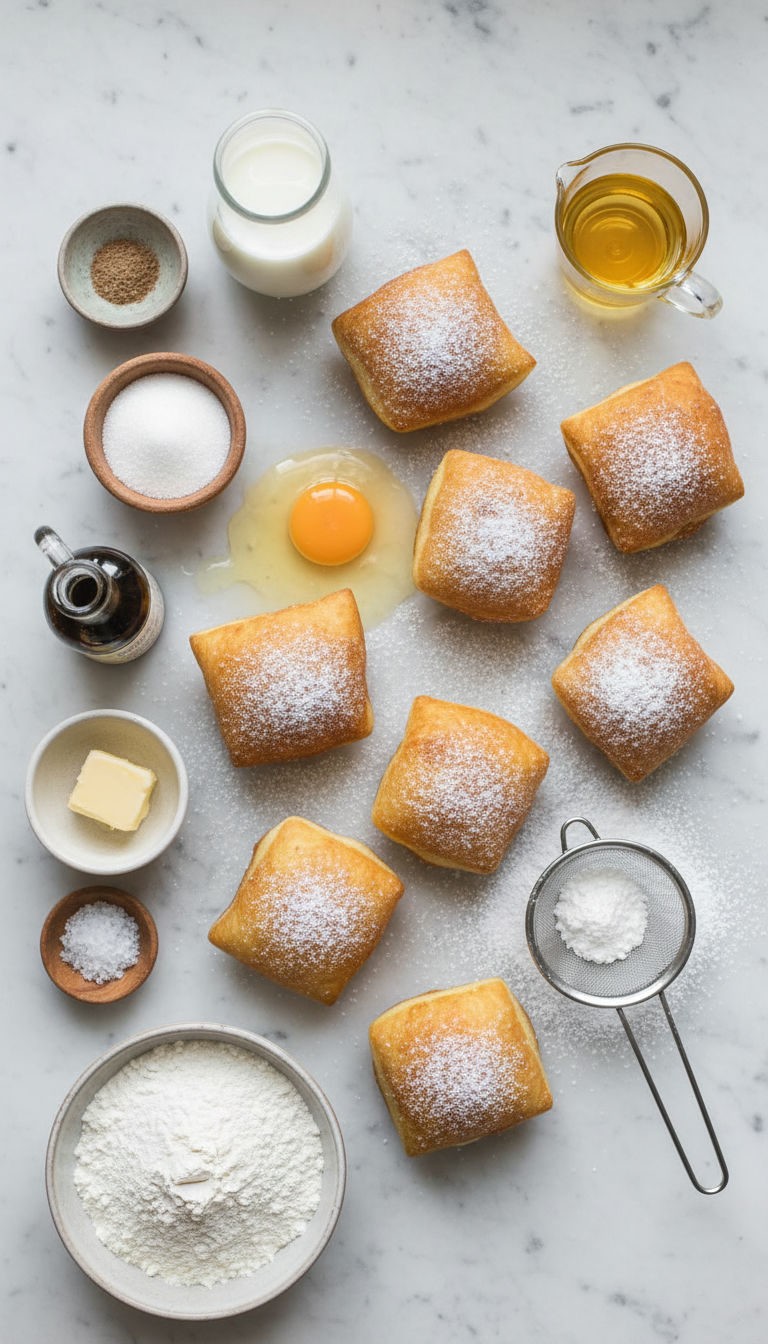
Each ingredient plays a crucial role in achieving visual perfection. The vanilla extract not only provides aromatic appeal but also contributes to the warm, inviting color palette. Active dry yeast creates the essential airy texture that makes beignets photograph beautifully with natural shadows and depth. Egg acts as a natural glazing agent, promoting even browning and that coveted golden finish. The powdered sugar serves as your primary styling tool, creating dramatic white-on-gold contrast that makes each beignet pop visually.
Timing
|
Instructions
|
Behind the Recipe
The inspiration for perfecting Vanilla French Beignets presentation came from studying classic French patisserie windows, where geometric precision meets artistic flair. The traditional square shape isn’t just functional—it creates clean lines and sharp angles that photograph beautifully and allow for creative plating arrangements. The golden-to-white color palette mirrors the warm, inviting atmosphere of Parisian cafés, where visual appeal is considered as important as taste. This recipe honors that tradition while incorporating modern food styling techniques that make each beignet a small masterpiece worthy of social media and special occasions.
Tips & Tricks for Perfect Vanilla French Beignets
|
Recipe Variations & Substitutions
Chocolate Drizzle Elegance: Replace half the powdered sugar with a light chocolate drizzle for sophisticated color contrast and added visual interest.
Citrus Zest Brightening: Add lemon or orange zest to the dough for subtle color flecks and aromatic appeal that enhances both flavor and presentation.
High Contrast Plating: Serve on dark slate or black plates to maximize the visual impact of the golden beignets and white powdered sugar.
Textural Twist Addition: Incorporate finely chopped pistachios or almonds into the powdered sugar for added texture and color variation that photographs beautifully.
Pairing Ideas
Serve your Vanilla French Beignets with rich, dark coffee in white ceramic cups to create stunning color contrast on the table. Fresh berries—particularly deep red strawberries or purple blueberries—provide complementary colors that enhance the golden tones of the beignets. Consider plating on vintage white porcelain or rustic wooden boards to emphasize the artisanal quality. Sparkling apple cider or fresh orange juice in clear glasses adds height variation to your presentation while maintaining the warm, breakfast-inspired color palette.
Nutritional Information
Per beignet (approximate): 145 calories, 3g protein, 22g carbohydrates, 5g fat, 1g fiber. These nutritional values reflect the traditional preparation method using standard ingredients.
Leftover & Reuse Ideas
Transform day-old beignets into elegant bread pudding by cutting them into cubes and layering with vanilla custard. Alternatively, slice and toast them lightly to create unique bases for fruit toppings or cream spreads. For photography purposes, slightly stale beignets actually hold their shape better and dust more evenly with powdered sugar, making them ideal for styled food shots.
Serving Suggestions
Present Vanilla French Beignets on a large white platter arranged in geometric patterns—try overlapping circles or straight lines for modern appeal. Dust the entire platter with powdered sugar to create a unified, snow-covered landscape effect. Place small bowls of additional powdered sugar and honey for interactive dining. Use cloth napkins in complementary colors like deep burgundy or forest green to enhance the golden tones. For photography, position near a window for natural lighting that highlights the texture and creates appealing shadows. Consider using props like vintage coffee cups, fresh flowers in muted tones, or linen napkins to complete the scene. The key is maintaining focus on the beignets while creating an inviting, cohesive tablescape that tells a story of comfort and indulgence.
Storage & Reheating Tips
Store leftover beignets in an airtight container at room temperature for up to 2 days. For optimal presentation when reheating, warm in a 300°F oven for 3-4 minutes to restore crispness, then dust with fresh powdered sugar. Avoid microwaving as it creates soggy texture that photographs poorly. For make-ahead preparation, you can prepare the dough through step 4, then refrigerate overnight and continue with shaping and frying the next day.
Common Mistakes to Avoid
Oil Temperature Fluctuation: Inconsistent oil temperature creates uneven browning and blotchy appearance. Use a thermometer and adjust heat as needed to maintain 350°F throughout frying.
Over-dusting with Sugar: Excessive powdered sugar creates clumpy, unappetizing appearance. Apply in light, even layers for professional results.
Irregular Cutting: Uneven shapes look amateurish and cook inconsistently. Take time to measure and cut precise squares for uniform presentation.
Premature Sugar Application: Dusting cold beignets results in poor sugar adhesion and patchy coverage. Always dust while warm for best visual results.
Overcrowding During Frying: Too many beignets in oil at once lowers temperature and creates pale, unappealing color. Fry in small batches for consistent golden results.
- Are Vanilla French Beignets difficult to make for beginners?
- Not at all! While achieving perfect visual presentation takes practice, the basic technique is straightforward. Focus on maintaining proper oil temperature and cutting uniform shapes for best results.
- Can I make Vanilla French Beignets ahead of time for entertaining?
- Yes, prepare the dough the night before and refrigerate. Shape and fry the morning of serving for optimal freshness and appearance. Dust with powdered sugar just before presenting.
- What’s the secret to getting perfectly golden Vanilla French Beignets?
- Consistent oil temperature at 350°F is crucial. The egg in the dough also promotes beautiful browning, while proper timing (1-2 minutes per side) prevents over-darkening.
- How do I prevent my Vanilla French Beignets from looking greasy?
- Proper oil temperature and immediate draining on paper towels are key. Avoid over-frying, which can make beignets absorb excess oil and appear shiny rather than appealingly golden.
- Are Vanilla French Beignets suitable for special dietary needs?
- The traditional recipe contains gluten, dairy, and eggs. However, you can experiment with substitutions like almond milk and gluten-free flour blends, though results may vary in terms of texture and appearance.
FAQs
Conclusion
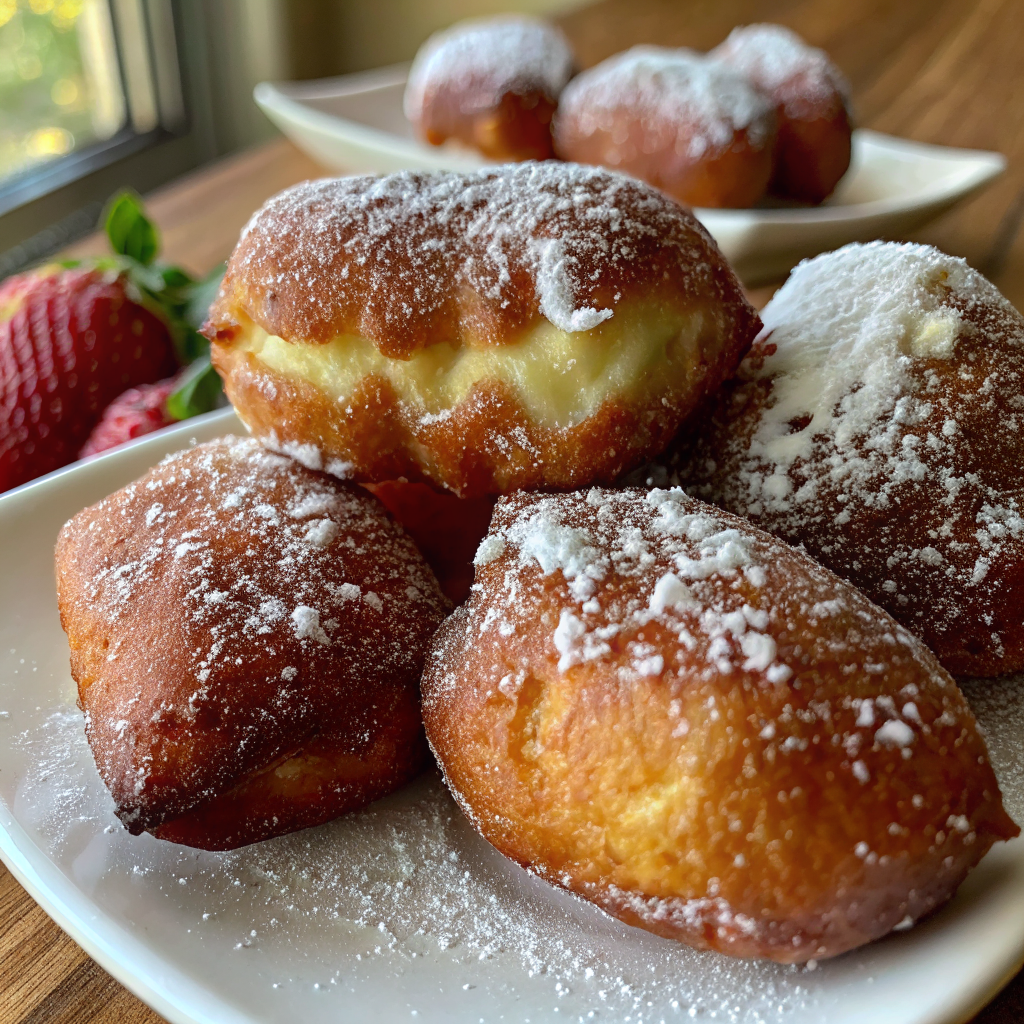
Mastering the art of Vanilla French Beignets presentation transforms these beloved pastries from simple treats into stunning culinary statements. By focusing on achieving consistent golden color, precise geometric shapes, and dramatic powdered sugar contrast, you’ll create beignets worthy of the finest French patisseries. Remember that visual appeal begins with proper technique—from maintaining oil temperature to timing your sugar dusting—and extends to thoughtful plating and styling choices.
The techniques you’ve learned here will serve you well beyond this single recipe, as the principles of color contrast, texture variation, and geometric precision apply to countless other pastries and desserts. Whether you’re hosting a special brunch, building your food photography skills, or simply wanting to elevate everyday treats, these professional styling secrets will help you create memorable, Instagram-worthy presentations every time.
Made these Vanilla French Beignets? Drop your twist in the comments, rate the recipe, and tag us on facebook, instagram with #erinrecipes — we might feature your creation!
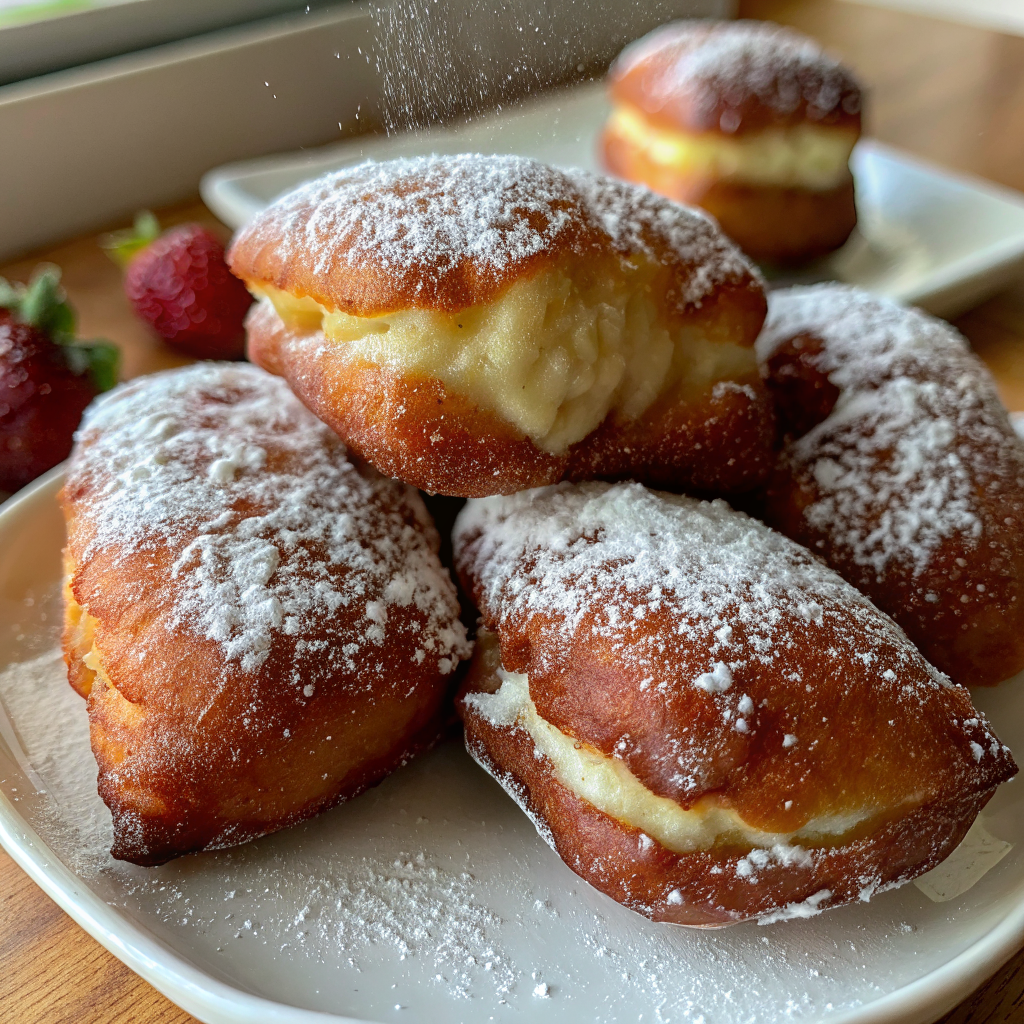
Vanilla French Beignets: A Visual Guide to Perfect Presentation
Ingredients
Instructions
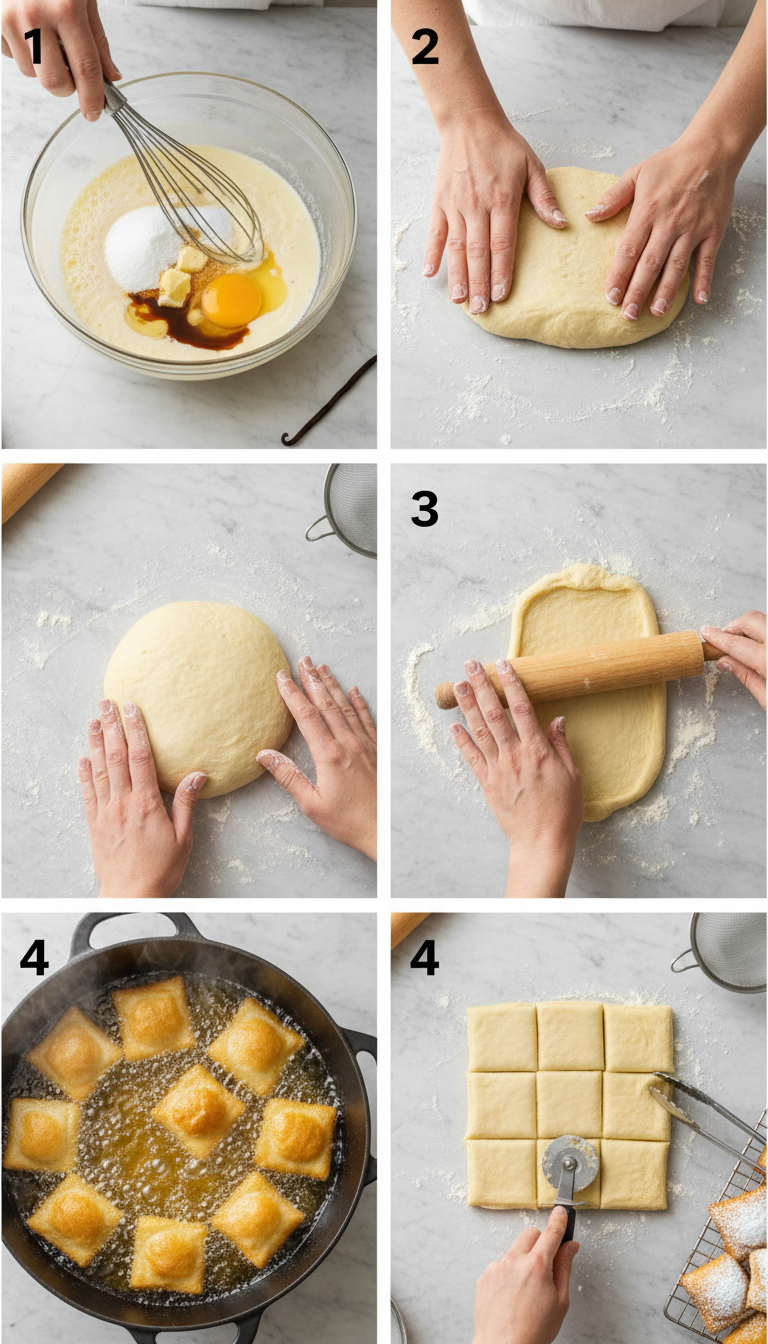
- Activate Yeast: In a bowl, dissolve yeast in warm milk and let sit for 5–10 minutes until foamy.
- Combine Wet Ingredients: Stir in sugar, egg, vanilla, and melted butter.
- Form Dough: Add flour and salt, mixing until a soft dough forms.
- Knead and Rise: Knead for 5–7 minutes until smooth. Cover and let rise for 1 hour until doubled in size.
- Shape Beignets: Roll dough to about ¼-inch thickness and cut into squares.
- Fry Beignets: Heat oil to 350°F (175°C) and fry beignets 1–2 minutes per side until golden.
- Serve: Drain on paper towels and generously dust with powdered sugar. Serve warm.